By
|
July 20, 2026
Pest control services help remove and prevent unwanted pests such as insects, rodents, and other animals from homes and business areas. These services do more than get rid of pests you can see.
They also identify the source of the problem and help prevent pests from returning. This is important because pests can spread germs, damage your property, contaminate food, and create health and safety risks if they are not controlled.
If you've ever spotted a trail of ants in your kitchen or heard scratching in your attic at 2 a.m., you already know how quickly a small pest problem can turn into a big headache. In this guide, you'll learn what pest control services include, why they are important, and how they help keep your home or business safe and pest-free.
Pest control services are professional programs that identify, manage, eliminate, and prevent unwanted pests through inspections, scientific expertise, targeted treatments, and preventive strategies.
Many licensed companies use treatment methods that align with recommendations from the Environmental Protection Agency (EPA) and the Centres for Disease Control and Prevention (CDC) for safe and effective pest management.
A professional service follows a step-by-step process to identify the source of the problem, eliminate existing pests, and help prevent their return.
Every pest control service starts with a thorough inspection. A trained technician checks both the inside and outside of your property for signs of pest activity, such as droppings, nests, damaged wood, grease marks, or possible entry points.
This inspection helps determine what type of pest is present, where it is hiding, and how severe the infestation is.
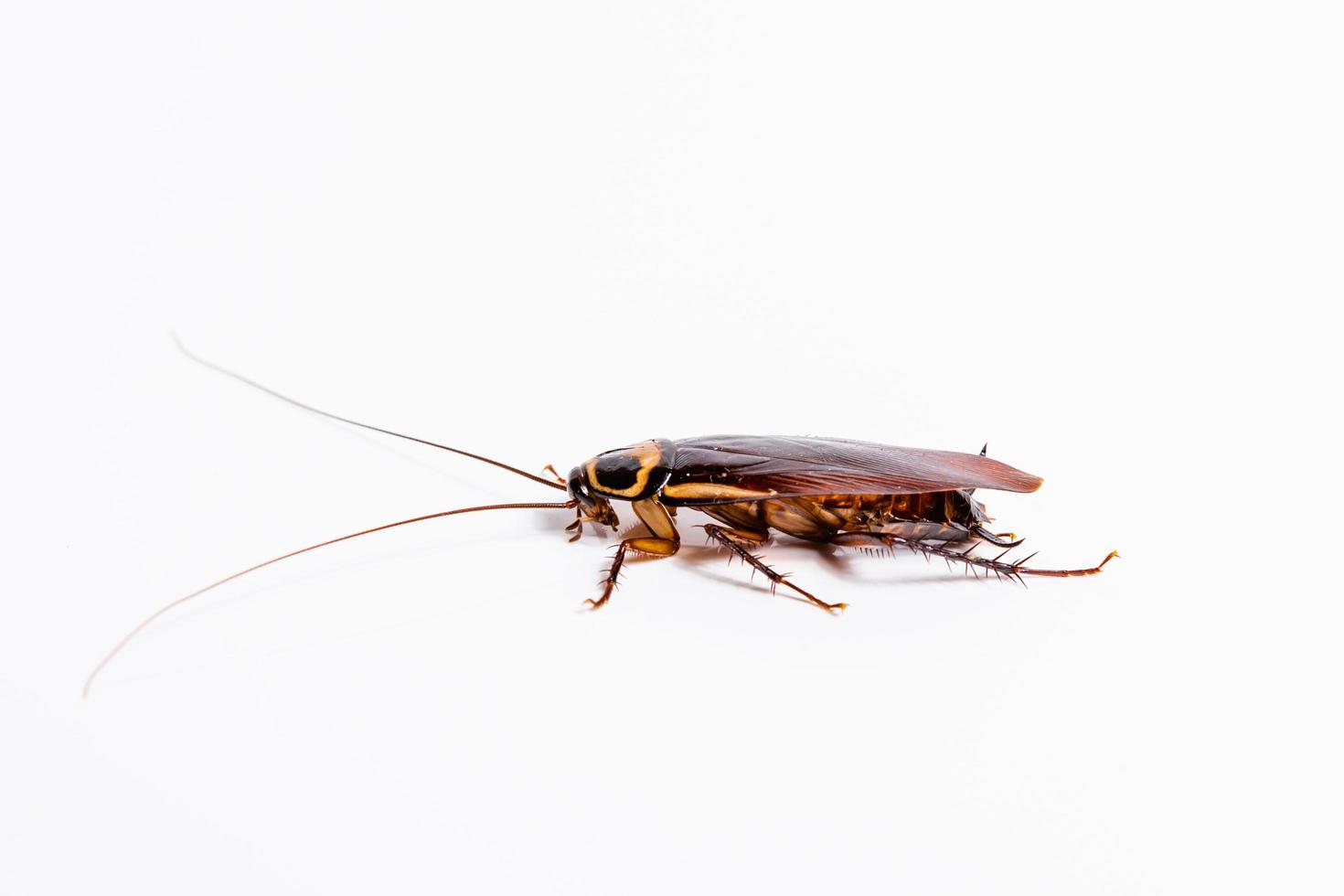
Different pests require different treatments, so accurate identification is essential. For example, carpenter ants and termites both damage wood, but they behave differently and need separate treatment approaches. The same applies to German and American cockroaches.
That’s why identifying the exact pest allows technicians to choose the safest and most effective solution instead of relying on a one-size-fits-all treatment.
Once the problem is identified, the technician creates a treatment plan based on the pest, the level of infestation, and the property itself.
Depending on the situation, it includes targeted sprays, bait stations, traps, or sealing gaps and cracks where pests enter.
Removing pests is only part of the job. The long-term goal is to keep them from returning. Many professional pest control companies schedule follow-up visits to monitor results, apply additional treatments if needed, and recommend simple changes, such as reducing moisture, sealing entry points, or improving sanitation, that make your property less attractive to pests.
Many providers offer ongoing maintenance plans with seasonal or quarterly visits. These regular inspections help catch problems early and keep pest populations under control, reducing the risk of major infestations throughout the year.
Professional pest control isn't just about eliminating pests. It's about identifying why they appeared, treating the infestation at its source, and preventing the problem from returning.
Many common household pests carry pathogens that can make people sick. Cockroaches can contaminate food preparation areas and trigger allergy or asthma symptoms through their droppings, saliva, and shed skin. Rodents spread bacteria by contaminating food and surfaces with urine and droppings.
Mosquitoes and ticks are known vectors for diseases such as West Nile virus and Lyme disease. Regular pest control reduces exposure to these health hazards before they become a problem.
Termites alone cause billions of dollars in structural damage to U.S. homes every year, and most homeowners' insurance policies don't cover it. Carpenter ants hollow out wood for nesting.
Rodents gnaw through wiring, insulation, and pipes, sometimes creating fire hazards. Catching these pests early is almost always cheaper than repairing the damage they leave behind.
For restaurants, grocery stores, and any business handling food, pest control is a regulatory requirement tied directly to health inspections and licensing.
A single customer sighting of a pest can cause lasting damage to a business's reputation, and repeated violations can lead to fines or closure.
There's also a simple quality-of-life factor. Knowing your home or workplace is protected removes a background source of stress, especially for families with young children or anyone with pest-related allergies.
Today's professionals use a combination of proven treatment methods based on the type of pest, the severity of the infestation, and the property's environment.
Many companies, such as SkeeterCide, follow Integrated Pest Management (IPM), an approach that focuses on long-term prevention while using the safest and most effective solutions.
Some of the most common professional pest control methods include:
The most effective pest control companies don't rely on a single treatment. They combine different methods based on the pest, your property, and the level of infestation to deliver safer, longer-lasting results.
A one-time treatment can resolve an immediate, active infestation, but ongoing pest control delivers benefits that accumulate over time.
If you're scheduling a pest control service for the first time, it's helpful to know what the process involves.
Before the technician arrives, you will be asked to tidy up treatment areas, store food in sealed containers, and move small items away from places that need to be treated.
Depending on the service, you also need to keep children and pets away from certain areas or leave the property for a few hours.
The technician will begin with a thorough inspection of your property to identify the pest, locate where it's hiding, and find how it's getting inside. They will check common problem areas such as kitchens, bathrooms, basements, attics, garages, and the outside of the building.
Based on their findings, they'll carry out the most suitable treatment, which includes applying targeted products, placing bait stations or traps, treating outdoor areas, or sealing entry points. They will also explain the treatment process and answer any questions you may have.
Once the treatment is complete, the technician will provide instructions on what to expect over the next few days.
Some pests may disappear immediately, while others, especially those controlled with baiting systems, can take a little longer to be fully eliminated.
Many pest control companies, such as SkeeterCide, offer follow-up inspections or service guarantees to ensure the treatment has worked as expected.
If pest activity continues or returns within the service period, the company will provide additional treatment at no extra cost to ensure the infestation is fully resolved.
Professional pest control is the best way to deal with an infestation. A few simple habits can make your property less attractive to pests and reduce the chances of future problems.
Pest problems can affect any home or business, even if the property is clean and well-maintained. Taking action early is the best way to avoid costly repairs, health concerns, and recurring infestations. Professional pest control goes beyond treating visible pests by identifying the source of the problem and implementing measures to help prevent it from returning.
The National Pest Management Association (NPMA) recommends routine inspections and proactive pest prevention in residential and commercial properties because early intervention is more effective and less costly than treating a severe infestation. Working with a qualified pest control company helps ensure treatments follow current industry standards and best practices.