By
|
June 9, 2026
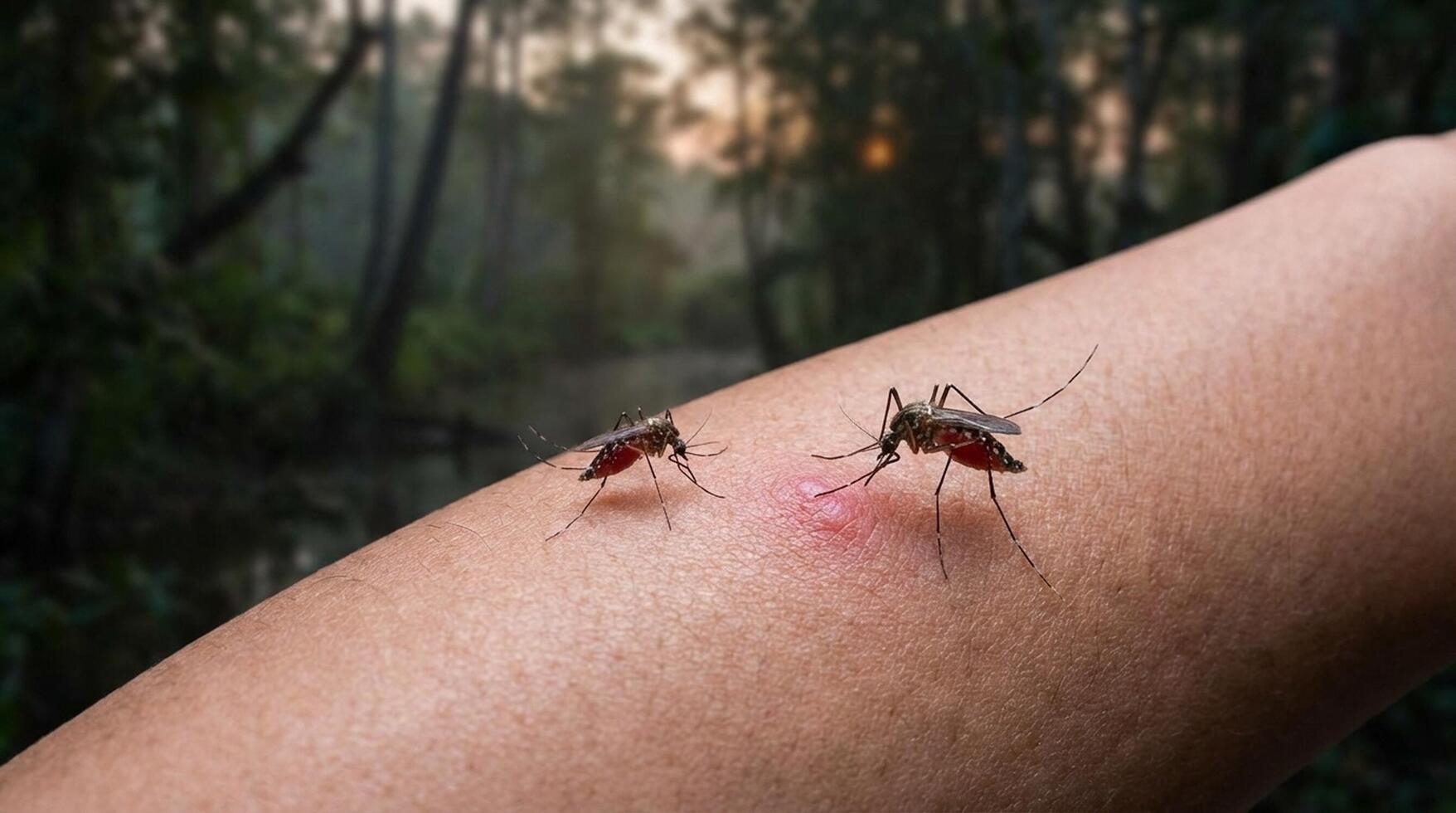
Mosquito season is back in Houston, and it’s already serious. In May 2026, Texas confirmed its first human West Nile virus case in Harris County (the Houston area), with the patient developing neuroinvasive disease, which is the most severe form that affects the central nervous system. This is a clear signal that mosquito-borne illness risk is real for 2026, and Houston residents should take action now.
On top of that, mosquitoes carrying the virus have already been found in four counties surrounding the greater Houston area, including Brazoria, Fort Bend, and Montgomery. Health officials are sounding the alarm for mosquito-borne diseases early.
Below is a practical guide that helps you protect your family, yard, and community from mosquito-borne diseases.
West Nile virus (WNV) is spread mainly by infected Culex mosquitoes. Most people who get infected don’t feel sick, but a small percentage develop severe illness that can cause confusion, weakness, seizures, or paralysis.
Houston’s climate makes this a year-round concern. Different types of mosquitoes are present throughout the year in Harris County, though activity typically increases in warmer summer months.
The first positive West Nile mosquito sample in Harris County was detected in January 2026, earlier than usual. By May 2026, Texas confirmed its first human case for the year, and it was a Harris County resident diagnosed with the severe neuroinvasive form of the illness.
As of now, six other Texas counties, including Brazoria, Fort Bend, and Montgomery, all in the greater Houston area, have also reported mosquito pools testing positive for West Nile virus.
That means the virus is already circulating in the mosquito population surrounding Houston, and the heavy summer season hasn't even started yet.
Over the past five years, Texas reported 976 total West Nile cases and 106 deaths linked to the virus. In 2024 alone, 57 people in Texas died from it — the highest toll in that five-year window.
This is not a disease to take lightly.
According to CDC guidelines, West Nile virus is primarily transmitted through infected Culex mosquitoes.
Certain groups are more likely to develop severe illness, including:
About 20% of people infected with West Nile virus develop a condition known as West Nile fever. Common symptoms include:
Most people recover fully within 7–14 days without serious complications.
Less than 1% of infected individuals develop a serious condition called West Nile neuroinvasive disease. This occurs when the virus affects the brain, spinal cord, or surrounding tissues.
Symptoms include:
This is rare, but it's serious. If you see these symptoms, go to the ER immediately. Long-term complications can include weakness, paralysis, or cognitive issues.
Not every part of Houston faces the same level of West Nile virus risk. Houston mosquitoes tend to be higher in neighborhoods located near slow-moving water sources, dense vegetation, and shaded outdoor areas where mosquitoes can breed.
Mosquito-borne diseases and infections can occur anywhere in Houston; residents living near water features and heavily vegetated spaces may face a higher level of exposure.
Culex mosquitoes are most active around:
These peak feeding times often coincide with common outdoor activities such as walking pets, gardening, exercising, or spending time with family outdoors.
Read More: Best Time to Spray for Mosquitoes
Mosquitoes lay eggs near water. Empty and scrub these items weekly: tires, buckets, planters, toys, pools, birdbaths, flowerpot saucers, and trash containers. Also:
For standing water, you can’t eliminate it like large ornamental ponds, so use larvicides like mosquito dunks (Bti) to target larvae, and also follow label instructions.
DIY steps help, but they only go so far. A professional yard treatment to control mosquitoes creates a much wider protective barrier by targeting the areas where mosquitoes rest and breed across your entire property.
DIY methods and mosquito sprays can help reduce mosquitoes for a short time, but they do not stop mosquitoes from breeding and returning to your yard. If mosquito problems keep coming back, professional mosquito control is the better solution.
Professional mosquito treatments are designed to:
For Houston properties, the most effective options are:
Professional mosquito control, such as SkeeterCide, follows a 21-day treatment schedule. The timing is designed to interrupt the mosquito life cycle before new populations have a chance to take hold, helping provide more consistent long-term control.
How do I know if I have West Nile virus?
Most people don't know they have it because about 80% feel fine. About 1 in 5 people get a mild illness with fever, headache, body aches, and tiredness that lasts 1–2 weeks. Less than 1% get really sick with symptoms like stiff neck, confusion, shaking, muscle weakness, or paralysis. If you see those severe symptoms, go to the ER right away and tell the doctor you've been bitten by mosquitoes.
Is West Nile virus contagious from person to person?
No, you can't get West Nile from another person. You won't get it from hugging, shaking hands, sharing food, or being around someone who's sick. The only common way to get it is through a bite from an infected mosquito.
When should I start mosquito control in Houston for 2026?
In March 2026. Don't wait until May when summer hits. Mosquitoes were already showing up with West Nile in January, which is way earlier than usual. If you wait, you're already playing catch-up. The best approach is a treatment every 21 days, which breaks the mosquito life cycle before they can multiply and take over your yard.
West Nile virus risk is real in Houston for 2026, and the first human case was already confirmed in Harris County.
The best defense is simple: remove standing water, protect yourself at dawn/dusk, keep mosquitoes out of your home, and consider professional fogging or an automated misting system for consistent yard protection.
Local mosquito control services like SkeeterCide help reduce adult mosquito populations and support ongoing prevention efforts in high-risk Houston neighborhoods.