By
|
May 15, 2026
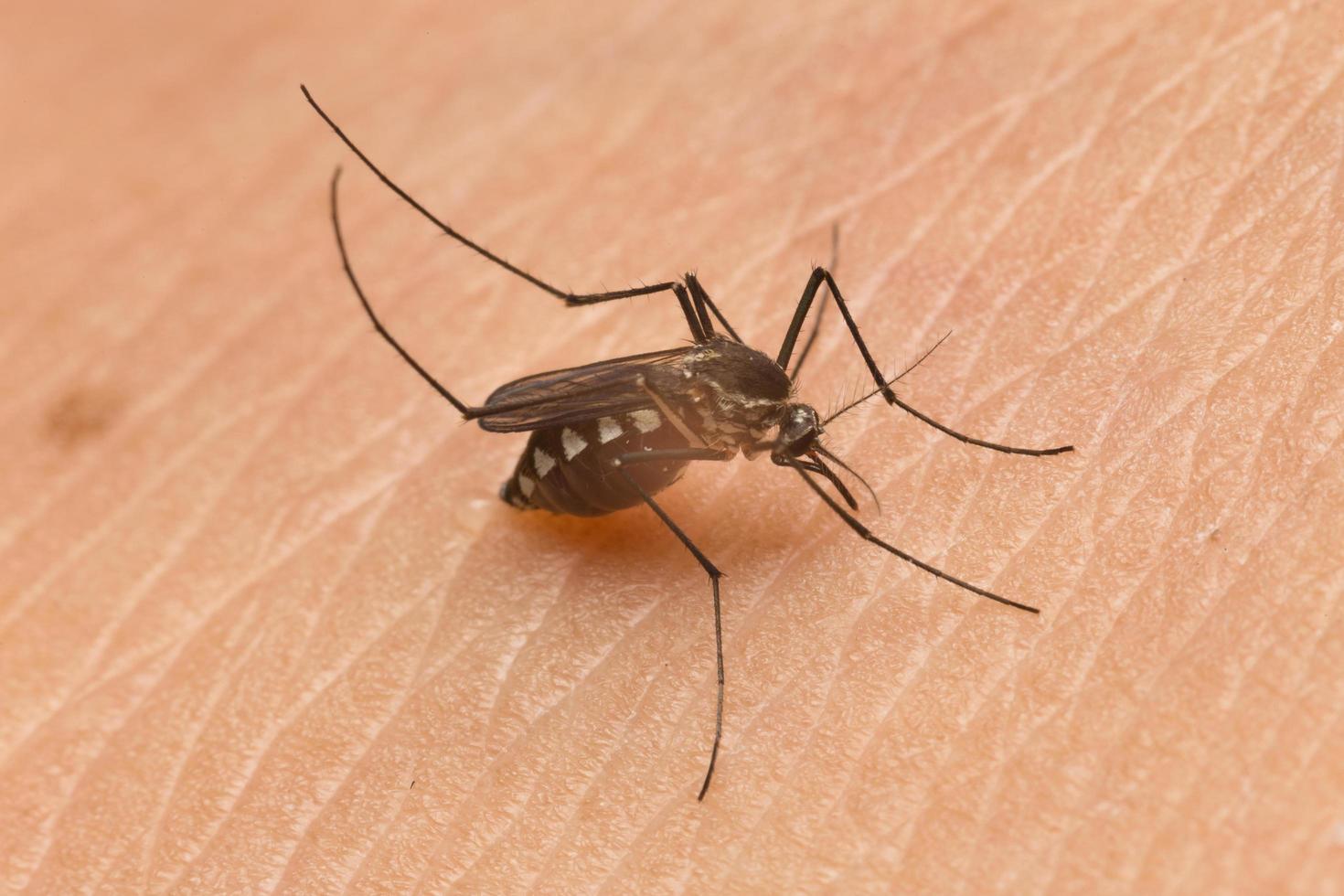
If you live in Houston, mosquitoes are just something you deal with almost year-round. Whether you’re enjoying a backyard BBQ or taking a walk near Buffalo Bayou, these tiny pests can ruin your outdoor plans with itchy bites.
Many people don’t realize that not all mosquitoes are the same. The one biting you in your garden can be a completely different species from the one you noticed at dusk last week.
In fact, Houston is home to more than 50 mosquito species. It is one of the most mosquito-heavy cities in the U.S. The CDC also considers the Greater Houston area a higher-risk zone for mosquito-borne diseases.
This is mainly because of Houston’s warm weather, high humidity, and frequent standing water from rain, bayous, and flood-prone areas. These conditions create the perfect breeding ground almost all year round.
This guide covers everything: how you can identify each species, when they're active, what diseases they spread, where they hide, and what you can do to fight back. So, let's start.
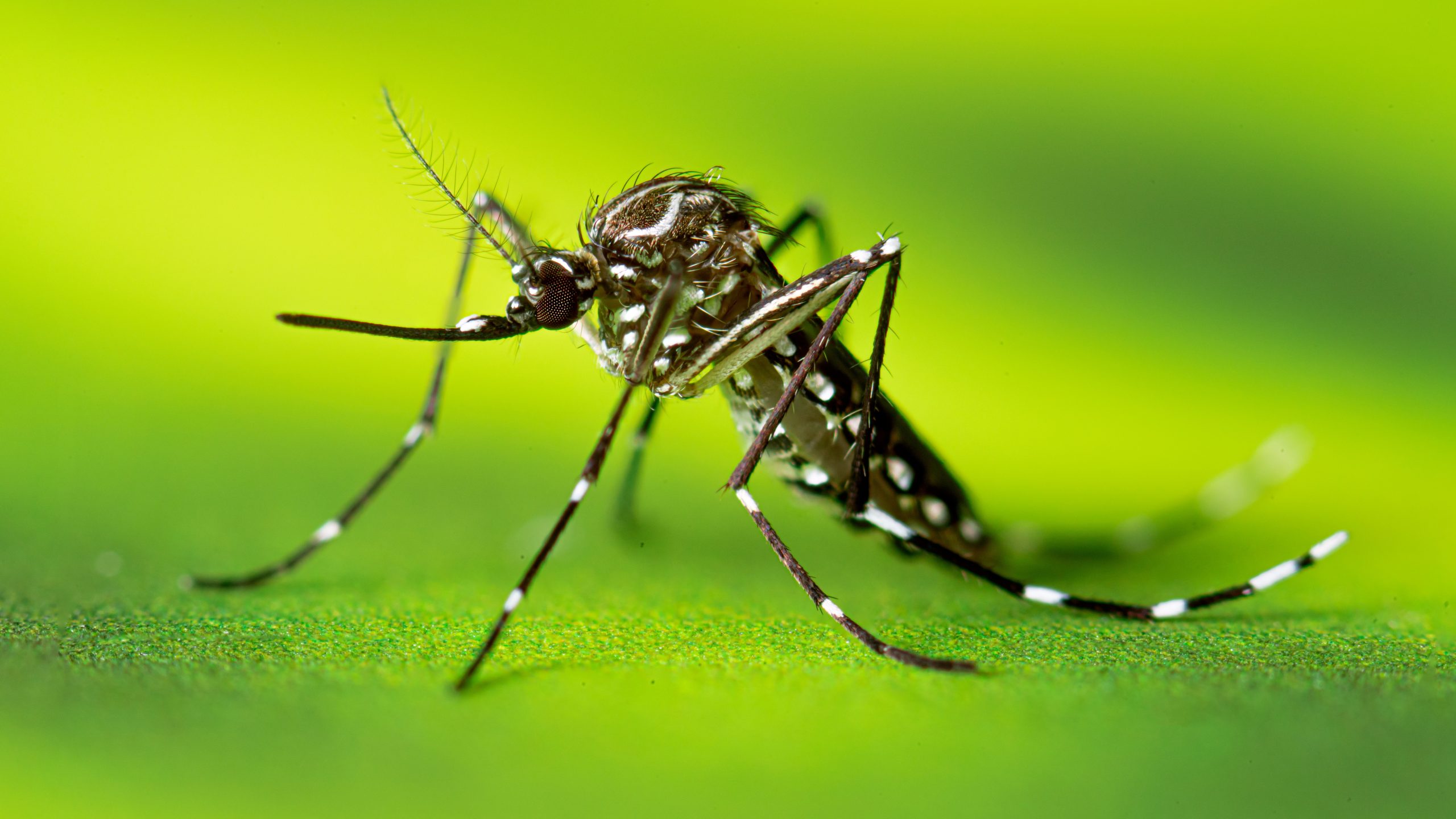
1. Aedes aegypti: The Yellow Fever Mosquito
If there’s one mosquito in Houston you should really watch out for, it’s this one.
Aedes aegypti, also known as the Yellow Fever Mosquito, is one of the most dangerous species in the Houston area. It spreads serious diseases like Zika, dengue, chikungunya, and yellow fever.
What does it look like?
When is it active?
Unlike most mosquitoes, it bites during the day, especially early morning and late afternoon. It usually goes for ankles and lower legs.
Where does it breed?
Why it's a bigger threat in Houston
Aedes aegypti is active year-round in Houston's climate. Unlike species in colder states that die off in winter, this mosquito never fully disappears. It breeds continuously in Houston's south-facing, warm urban environment. That's why consistent mosquito control is essential, not just seasonal.
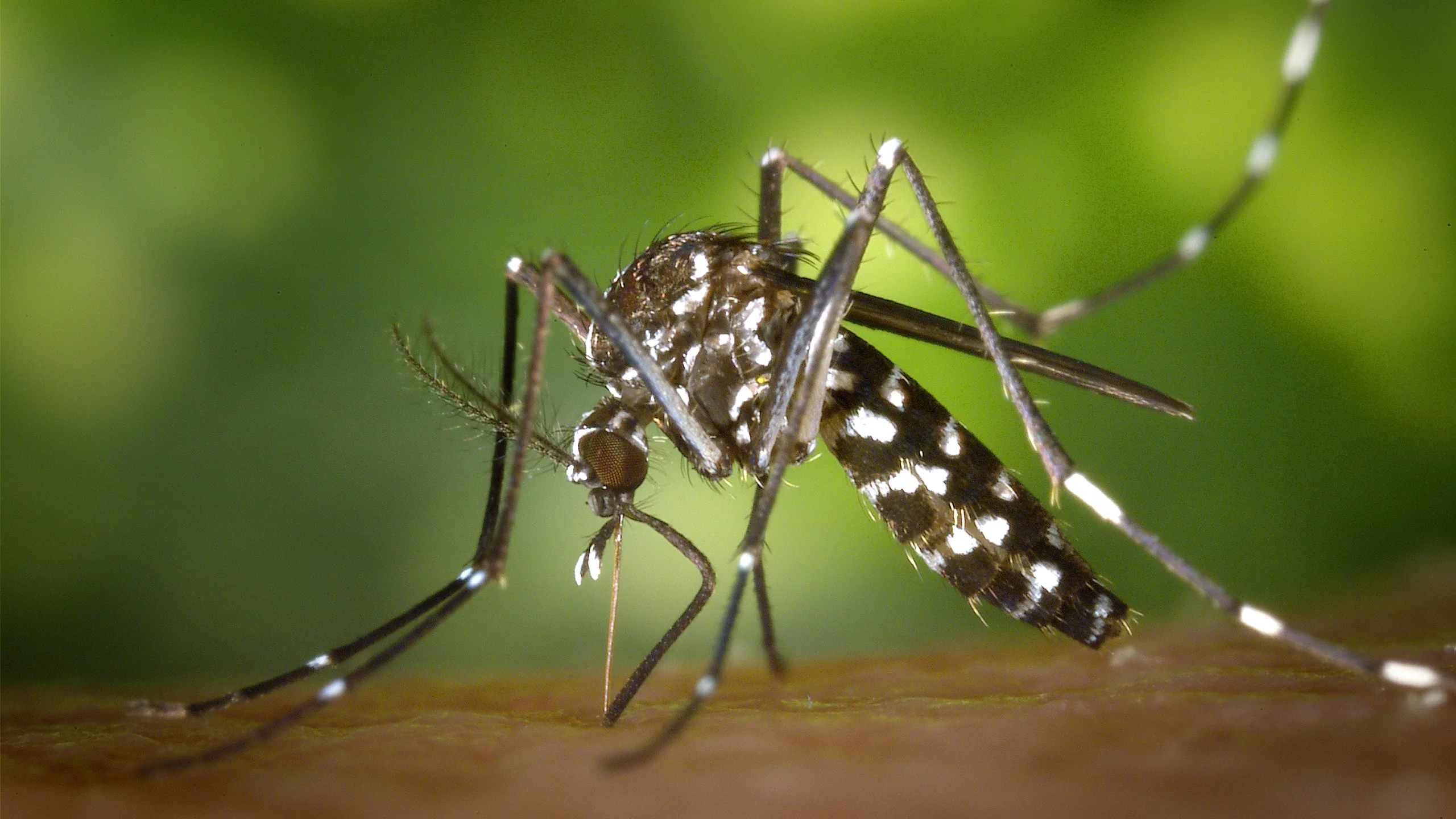
Aedes albopictus first appeared in the U.S. in Houston in the 1980s and has spread widely since then.
What does it look like?
When is it active?
It is primarily active during daylight hours, particularly in the morning and early evening. It's one of the most aggressive daytime biters in North America.
What diseases does it carry?
Where does it breed?
It is slowly becoming more common than Aedes aegypti in many areas of Houston.c\
.webp)
If you've ever been bitten on your back porch after dark, this is probably the culprit.
Culex quinquefasciatus is the mosquito most people notice at night in Houston. It's the classic "dusk to dawn" biter you're probably most familiar with.
What does it look like?
When is it active?
It is mostly active at nighttime, from dusk till dawn, often near porch lights.
What diseases does it carry?
Where does it breed?

When you hear "malaria mosquito," it sounds alarming. This species is at actual risk of contracting malaria in Houston.
What does it look like?
When is it active?
Most active at dusk, just before sunrise, and throughout the night.
What diseases does it carry?
Where does it breed?
It breeds in clean, still water, such as ponds, lakes, and slow-moving streams.
.webp)
Psorophora columbiae is known for its painful, aggressive bites. It bites multiple times in seconds and particularly appears after heavy rainfall.
This species can fly distances of 10 miles or more from its breeding site. You may still encounter them in suburban Houston neighborhoods, even if you don't live near a flooded field.
What does it look like?
When is it active?
Mostly dawn and dusk, sometimes daytime after heavy rain.
Where does it breed?
This species breeds in temporary pools formed after heavy rainfall and flooding. After a major storm, populations of this mosquito can explode within days.
.webp)
Houston has no shortage of wooded parks, greenbelts, and forested areas. These areas were the favourite spots of Psorophora ferox.
What does it look like?
When is it active?
This species is a daytime biter that prefers shaded woodland environments.
If you're hiking in Memorial Park, the Arboretum, or any forested greenway in Houston, this mosquito may be responsible for daytime bites in shaded areas.
What diseases does it carry?
Psorophora ferox is a documented vector for Eastern Equine Encephalitis (EEE), a rare but extremely serious viral brain infection.
Where does it breed?
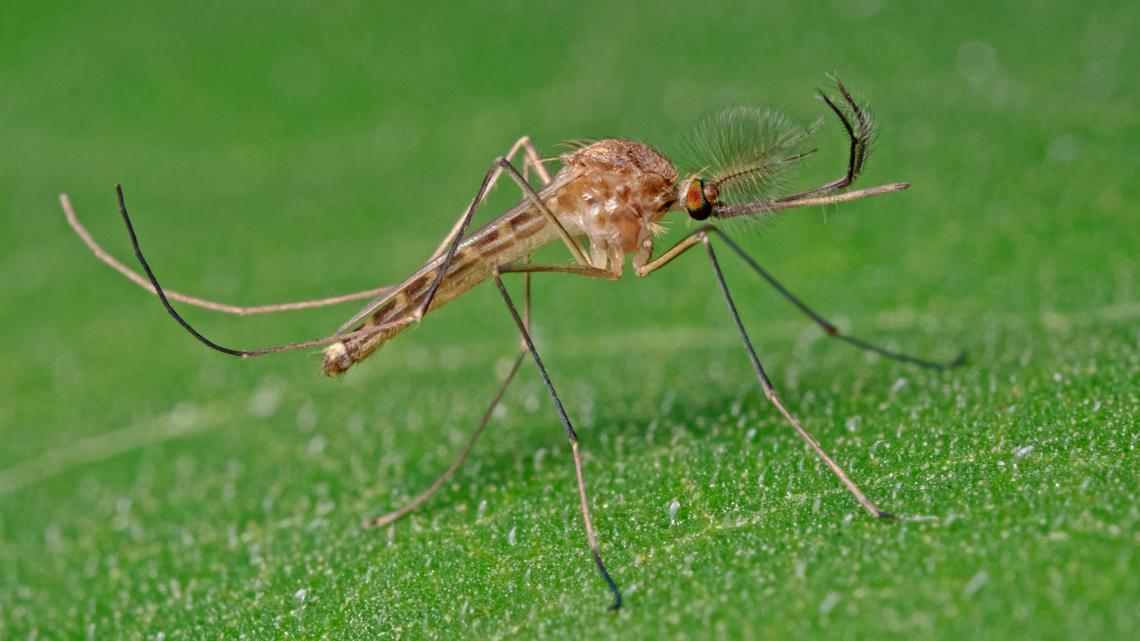
Most people think mosquito season is over once the weather cools down. But in Houston, that’s not really the case, and Culiseta inornata is one of the main reasons why.
What does it look like?
When is it active?
This mosquito is cold-tolerant, which means it actually becomes more noticeable in fall and winter when other species slow down. In Houston’s mild winters, it can stay active for most of the season. After major storms and flooding, its numbers can increase due to standing water and wet vegetation left behind.
What diseases does it carry?
It can carry Eastern Equine Encephalitis (EEE), but the overall risk to humans is considered low compared to other mosquito species.
Where does it breed?
.webp)
Mansonia is one of the largest and most noticeable mosquitoes you’ll come across in Houston. If you’ve ever seen a big, dark mosquito near a pond or lake, it was likely this species.
What does it look like?
When is it active?
It is most active in the evening, especially around lakes, ponds, and other still-water areas.
What diseases does it carry?
It is a potential carrier of the Rift Valley Fever virus, although actual transmission in Houston is very rare.
Where does it breed?
If you have a pond or live near water in Houston, managing floating plants is one of the most effective ways to reduce their population.
Because of the city’s warm and humid climate, the following diseases can remain a concern for most of the year.
Not all types of mosquitoes in Houston look or behave the same. Here are a few simple clues that can help you figure out which type you’re dealing with.
1. Time of activity
2. Physical appearance
3. Biting pattern
4. Breeding environment clues
You can manage mosquitoes at home, but in places like Houston, where they breed quickly, professional help to control mosquitoes becomes necessary.
Common professional treatment options include:
Mosquitoes are a constant part of life in Houston, but understanding the different species makes it much easier to stay protected.
From daytime biters like Aedes mosquitoes to night-active species like Culex, each type behaves differently, breeds in different places, and carries different health risks.
The best protection comes from simple and consistent steps, such as removing standing water, using repellents, wearing protective clothing, and staying cautious during peak mosquito hours.
Since Houston’s warm and humid climate allows mosquitoes to thrive almost year-round, regular prevention is essential.
If you are dealing with a recurring mosquito problem around your home, professional pest control experts such as SkeeterCide can assess your property, identify breeding hotspots, and provide targeted treatments that deliver long-lasting protection.