By
|
July 24, 2026
Two neighbors get their homes treated by the same company on the same afternoon. One house is bug-free for three months. The other has ants back on the kitchen counter within two weeks.
So what happened?
The difference usually isn't the quality of the treatment. It's everything that happens before and after it.
You have probably heard that pest control lasts 30 to 90 days. It’s an incomplete one, because it treats every home, every pest, and every treatment as if they behave the same way. They don't.
This guide walks through why treatments vary so much, how long pest control spray lasts, and what to do if bugs show up again sooner than they should.
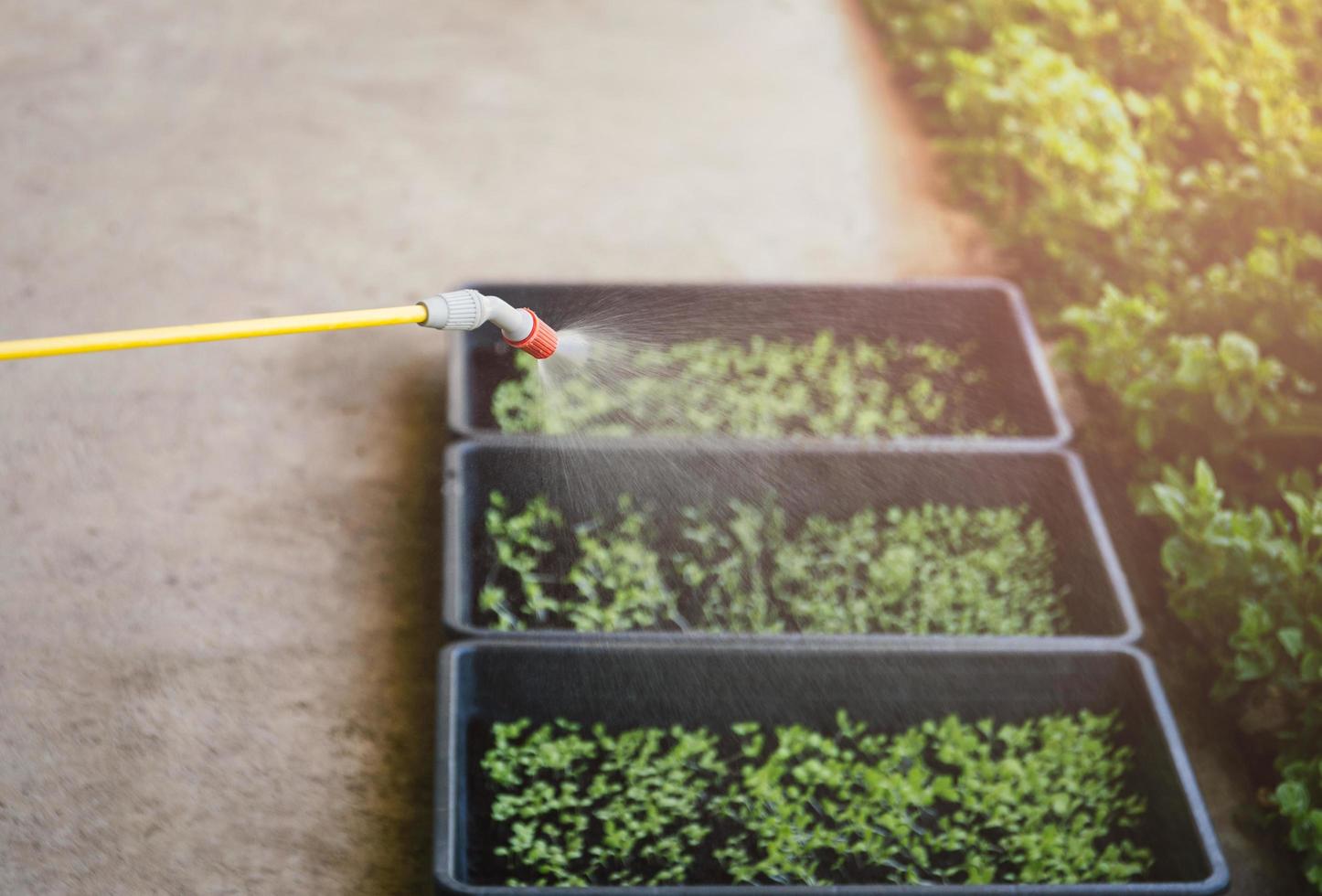
Every treatment is a bet on how long a chemical can stay active on a surface before it breaks down, gets washed away, or gets covered by dust and grime. Several things tip that bet one way or the other.
Not all sprays are built to do the same job.
Residual insecticides are designed to sit on a surface and stay lethal to insects that walk across it for weeks or months. These are the workhorses of routine pest control, sprayed along baseboards, door frames, and foundation lines.
Contact sprays kill on the spot but leave little to no lasting residue. They're useful for an active infestation you can see right now, but they don't protect against bugs that show up next week.
Dusts (like diatomaceous earth or boric acid-based products) get puffed into wall voids, cracks, and crevices where liquid sprays can't reach. Dusts can last a very long time because they're protected from light, moisture, and cleaning — sometimes for a year or more in an undisturbed void.
Gel baits work differently altogether. Roaches or ants eat the bait, carry it back to the nest, and it kills the colony over days to weeks. A bait station itself might stay effective for months, but the "kill window" for the pest is much shorter than that.
A technician who understands which of these to use, and where, is often the difference between a treatment that holds and one that doesn't.
Outdoor treatments answer to the weather whether you like it or not.
Rain within 24 to 48 hours of an outdoor application can wash a significant portion of the product off siding, mulch, and concrete before it's had time to bind to the surface. Some modern formulations are rain-resistant once dry, but "once dry" usually means several hours minimum.
UV exposure breaks down certain active ingredients over time, which is part of why sunny, south-facing exterior walls sometimes need more frequent touch-ups than shaded areas.
Mopping, wiping down baseboards, and deep-cleaning kitchens are good hygiene practices, but they can also remove residual insecticide from indoor surfaces faster than expected.
This doesn't mean don't clean your house. It means the areas that get scrubbed most (kitchen floors, bathroom tile) may need touch-up treatment sooner than areas that don't get much foot traffic or cleaning, like under appliances or in closets.
Porous surfaces (unsealed wood, stucco, brick, drywall) soak up liquid product, which can actually help it last longer in some cases because the insecticide gets absorbed rather than just sitting on top. Non-porous surfaces like tile, sealed concrete, or glass hold product less effectively, and it tends to wear off faster with any contact or moisture.
High humidity can also speed up the breakdown of some active ingredients, which is one reason coastal and humid climates sometimes need more frequent service than dry ones.
This is the one homeowners underestimate the most. A treatment applied to a home with a moderate ant trail is a very different job than one applied to a home with an established nest inside a wall void. The spray itself isn't weaker in the second case — there's just more to kill, and more places for survivors to be hiding when the technician leaves.
Some insects reproduce fast enough that even a treatment working exactly as intended can look like it's "failing" a few weeks later, simply because new eggs hatched after the spray was applied. We'll come back to this in the next section, because it explains a lot of the "why am I still seeing bugs" confusion.
Not all pests respond to treatment the same way. A spray that keeps ants away for months may have a much shorter effect on fleas, while cockroach baits work on an entirely different timeline than residual sprays. Here is how different pests respond to pest control.
Typical duration: 30–60 days for residual spray; 3–6 months for gel bait stations, with periodic re-baiting.
Roaches are one of the toughest pests to fully clear because they hide deep in wall voids, behind appliances, and under sinks, places a spray alone often can't reach. That's why most professional cockroach treatments combine a residual spray along entry points with gel bait placed directly in harborage areas.
The spray handles roaches crossing treated zones. The bait handles the ones still hiding by letting them carry poison back to where the rest of the colony lives. Retreatment is common every 30 to 60 days until the population is fully knocked down, especially in apartments or multi-unit buildings where roaches can migrate in from a neighboring unit.
Typical duration: 30–90 days.
Ant colonies operate from a central nest, which might be outside your home entirely. A perimeter treatment interrupts trails and kills foraging workers, but if the queen and nest survive, you may see a new trail form somewhere else on the property weeks later. This isn't always a sign the treatment failed, but often a sign the colony relocated its foraging path, not that the whole colony survived unaffected.
Typical duration: 30–90 days.
Spider treatments mostly work by killing the insects spiders eat, which cuts off their food source, along with direct residual contact on webs and entry points. Spiders that wander in from outside after a rain or a temperature drop can still appear on a treated home. They're not necessarily surviving the treatment; they're arriving after it.
Typical duration: 2–4 weeks per application, often requiring a second treatment.
Fleas are notoriously difficult because of their life cycle. Adult fleas die relatively quickly after treatment, but flea eggs and pupae in carpet fibers and pet bedding can survive the first application and hatch out over the following two to three weeks. This is why most flea protocols include a planned second treatment rather than a single visit. It's built into the process, not a sign something went wrong.
Typical duration: 21–30 days.
Mosquito treatments are usually applied to vegetation, shaded resting areas, and standing water sources rather than open lawn. Because mosquitoes are highly mobile and breed in water that can appear overnight after rain, this is one of the shorter-lived treatments by nature, and monthly service is standard rather than an upsell.
Typical duration: 30–60 days.
Silverfish favor humid, undisturbed areas like basements, closets, and bathrooms. Treatments here often last well if humidity is controlled, but persistent moisture problems can shorten effectiveness and invite silverfish back regardless of how thorough the spray was.
Typical duration: Highly variable. Often requires 2–3 follow-up visits over several weeks.
Bed bugs are the exception to almost everything above. Sprays alone rarely resolve an infestation because bed bug eggs are resistant to most contact insecticides, and bed bugs hide in seams, cracks, and voids that a spray can't fully penetrate. Most legitimate bed bug protocols involve multiple visits spaced roughly two weeks apart specifically to catch newly hatched bugs before they mature and reproduce again.
This is usually the moment homeowners assume the treatment failed. Often, it didn't. You're just watching the process play out.
The flushing effect. Many insecticides irritate insects before killing them, which drives bugs out of hiding for a day or two after treatment. Seeing more bugs right after a spray, not fewer, is actually a normal sign the product is working. Those insects were already inside your walls, just hidden.
Delayed death. Not all products kill instantly. Some are designed to give the insect time to walk back to a nest or lay eggs before dying, particularly with baits, so the colony gets exposed too. An insect walking around a day or two after treatment isn't necessarily unaffected.
Eggs hatching after treatment. Sprays kill adult and juvenile insects on contact, but they generally don't destroy eggs already laid in cracks and crevices. Those eggs can hatch a week or two later, which looks like a new infestation but is really the tail end of the old one.
Hidden nests untouched by the spray. If a colony's core nest is deep inside a wall void, under a slab, or in a spot the technician couldn't access, surface treatments won't fully reach it. This is why persistent problems sometimes need a follow-up inspection rather than just another round of spray.
Insects crossing from untreated areas. Bugs don't respect property lines. An ant trail or spider making its way in from a neighboring yard or a shared wall isn't evidence the treatment failed on your side.
There's no single timeline here, because it depends on the pest and the product.
Contact sprays on exposed insects: often within minutes to a few hours.
Residual sprays on insects crossing treated surfaces later: usually within 24 to 72 hours of contact.
Gel baits for roaches and ants: typically 3 to 10 days, since the bait needs to be carried back and shared through the colony before the full effect shows.
Growth regulators used for fleas: these don't kill adults outright but stop eggs and larvae from maturing, so the visible population drops off gradually over 2 to 4 weeks as the life cycle is interrupted.
If a technician tells you to expect a few days for full results, that's not a hedge, but reflects how these products are actually designed to work.
For most standard residential treatments, it's typically safe to re-enter within 2 to 4 hours once the product has dried, though this varies by product and application method.
A few groups should be more cautious about timing:
Children and pets are often kept out of treated areas until the product is fully dry, sometimes longer for baseboard or crack-and-crevice treatments.
Pregnant women are generally advised to avoid the treated space during application and for the drying period, out of general caution rather than a specific documented risk with most modern low-toxicity products.
People with asthma or chemical sensitivities may want extra ventilation time, even after the standard wait period, since some scent or residue can linger longer than the active ingredient itself.
The instructions your pest control company gives you at the time of service are the ones to follow. They account for the specific product and concentration used that day, which can vary between companies and even between visits.
Certain conditions shorten a treatment's effective life regardless of how well it was applied:
There's no universal schedule for pest control services that fits every home. What matters is matching the frequency to your situation.
Quarterly service works well for homes with mild, manageable pest pressure and no major structural vulnerabilities. This is the most common baseline plan and suits most suburban homes without a history of severe infestation.
Bi-monthly service fits homes in humid climates, homes near water or wooded areas, or properties that have had recurring ant or spider issues that quarterly service wasn't fully resolving.
Monthly service is typical for mosquito control during peak season, and sometimes for homes with chronic cockroach or ant pressure, particularly multi-unit buildings.
One-time treatment makes sense for an isolated issue, like a single wasp nest removal or a small ant trail with a clear, contained source.
Seasonal treatment suits homes that mainly deal with pests tied to weather, like overwintering spiders or seasonal ant swarms in spring, where targeted timing matters more than year-round coverage.
A few habits genuinely extend how long a treatment holds, beyond just "don't mop for a week":
None of these replace professional treatment, but they buy the treatment more time to do its job.
Bug activity that's steady or increasing after the two- to three-week mark, rather than tapering off
There's no single number that describes how long pest control spray lasts, because no two homes face the exact same combination of pests, weather, surfaces, and infestation levels. Cockroach baits, ant perimeter sprays, and mosquito treatments all run on different timelines for good reason, and a bit of bug activity in the first couple of weeks doesn't automatically mean something went wrong.
If pests keep returning sooner than expected, the issue may not be the product but the treatment strategy. A professional inspection can identify hidden nesting areas, entry points, and conditions that shorten the life of a treatment. At SkeeterCide, every service is designed around the pest, the property, and the conditions that affect long-term results, helping homeowners get lasting protection instead of temporary relief.