By
|
September 4, 2026
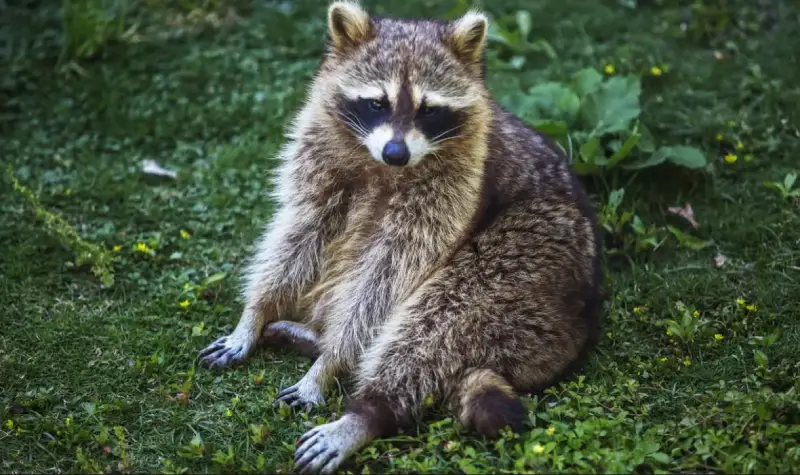
Once, our team received a call from a homeowner who was panicking after spotting a raccoon in her driveway at ten in the morning. She had already brought the kids inside, secured the dog, and was certain the animal had rabies.
When the team assessed the situation, the raccoon was sitting under a tree, calmly eating spilled birdseed. It wasn't sick. It was a nursing female taking advantage of an easy food source while her kits stayed nearby. Once given space, she wandered off on her own.
Situations like this are common. A daytime raccoon isn't automatically dangerous. This guide explains what to do if you see a raccoon, which behaviors should concern you, and when it’s time to seek professional help.
One of the first things homeowners tell us when they see a raccoon is, “But it was out during the day.” That detail gets a lot of attention, but by itself, it doesn't tell you whether a raccoon is sick.
Raccoons can come out during daylight. A mother with young may need to spend more time looking for food. A raccoon may also be searching for a new den after its usual hiding place has been disturbed.
In a neighborhood with easy access to garbage, pet food, birdseed, or other food sources, a raccoon simply adjusts its schedule around those opportunities.
So don't judge the situation by the clock. Watch the animal.
A raccoon that is behaving normally will usually:
If that's what you are seeing, there is usually no reason to chase the animal away.
Bring your pets inside, keep your distance, and give the raccoon a clear path to leave. Don't try to get closer for a photo, feed it, or scare it with a broom or garden hose. A raccoon that feels cornered will defend itself even when it was completely harmless a few minutes earlier.
The situation changes when the animal appears unable to move or respond normally.
Call animal control or get wildlife control services if you notice:
These signs do not allow you to diagnose rabies from a distance. Other illnesses and injuries can produce similar behavior. The important point is that you should not approach or handle an animal showing abnormal behavior.
If possible, remember where you saw the raccoon, what it was doing, and which direction it went. That information can help animal control or wildlife professionals decide how to respond.
This is no longer a situation to simply watch from a distance.
If a raccoon bites or scratches a person:
Important Note: Take rabies exposure seriously because treatment is highly effective when given appropriately before symptoms develop. Waiting to see whether the raccoon becomes sick is not a safe way to decide whether treatment is necessary.
Seeing a raccoon at night is usually less unusual than seeing one during the day. Raccoons are primarily nocturnal, so nighttime foraging, climbing, digging, or moving through a yard is normal behavior.
If you see one outside at night, don't approach it or try to chase it away. Bring pets indoors, keep children away from the area, and give the raccoon a clear path to leave. If it is calmly moving through the yard or searching for food, you usually don't need to do anything while it is there.
The same warning signs apply at night: stumbling, circling, severe disorientation, unexplained aggression, or obvious injury are reasons to keep your distance and contact the appropriate professional.
Call your veterinarian if your pet was bitten, scratched, or had direct contact with the raccoon.
Check your pet's rabies vaccination status before deciding what to do next. The response to an exposure depends heavily on whether the animal's vaccination is current and on the type of contact.
If you aren't sure whether the animals actually touched, tell the veterinarian exactly what you saw rather than assuming there was no exposure.
A raccoon in an attic is a different problem from a raccoon passing through the backyard.
Don't immediately climb into the attic, chase the animal out, or seal the hole you found.
A mother may have dependent young inside. If you force the adult out and seal the entrance, you can leave the young behind.
A proper wildlife inspection should determine:
Once the animals are out, repair the entry point. Otherwise, another raccoon will eventually discover the same opening.
Don't assume a baby raccoon is orphaned just because you don't see its mother.
Mother raccoons leave their young because they search for food and move babies from one location to another. Picking up a healthy baby too quickly can actually interfere with that process.
Keep pets away and observe from a safe distance.
Professional help is appropriate if the babies are:
If the babies are inside an attic, chimney, or wall, don't remove them yourself. A wildlife professional can determine whether the mother is still nearby and work toward keeping the family together while resolving the entry problem.
A raccoon that repeatedly visits the same yard is usually responding to something it can reliably find there.
Look for the signs that attract raccoons:
Removing those attractants is more effective than repeatedly trying to scare the raccoon away.
For example, if a raccoon visits every night because a dog bowl remains outside, moving the bowl indoors can solve more of the problem than chasing the raccoon away at midnight.
This is where DIY raccoon removal can create more problems.
A live trap seems like the easiest solution for homeowners, but capturing a wild raccoon puts you close enough to be bitten or scratched. Legal restrictions also limit transporting and releasing wildlife, especially rabies-vector species such as raccoons.
And relocation doesn't address why the animal was on your property in the first place.
If there is an opening in the attic, for example, moving one raccoon away without repairing the entry point simply leaves the property vulnerable to another animal.
Don't trap a raccoon and plan to release it somewhere else. Texas has specific rabies-quarantine restrictions on transporting live raccoons, and relocation requires authorization.
A raccoon is walking through the yard during the day and acting normally.
Bring pets inside, keep your distance, and let it move along. Daytime activity alone is not a reason to panic.
A raccoon is eating from your trash but otherwise behaving normally.
Don't approach it. Secure the garbage once the animal has left and remove other accessible food sources.
A raccoon is stumbling, circling, or acting confused.
Keep everyone away and contact animal control or a wildlife professional.
A raccoon is inside the attic.
Don't seal the opening or chase the animal yourself. Inspect your attic for the animal and possible young before exclusion.
You find baby raccoons without their mother.
Keep pets away and observe from a distance. Contact a wildlife rehabilitator if the babies are injured, weak, or clearly orphaned.
A raccoon bites or scratches a person.
Wash the wound immediately and seek prompt medical advice about possible rabies exposure.
Your dog or cat has direct contact with a raccoon.
Separate the animals safely and contact your veterinarian, particularly if the pet's rabies vaccination is not current.
Seeing a raccoon isn't automatically an emergency. In fact, many encounters end with the animal quietly moving on once people give it enough space.
The important thing is to look beyond the time of day.
A raccoon that is alert, coordinated, foraging, and avoiding people is usually best left alone. A raccoon that is disoriented, unusually aggressive, severely injured, or unable to move normally is a different situation.
If a raccoon has moved into your attic, crawl space, or another part of your home, professional raccoon removal services can address the animal and the entry point safely.
Seeing signs of a raccoon on your property? SkeeterCide can help identify how raccoons are getting onto your property and provide a safe, lasting solution.