By
|
September 15, 2026
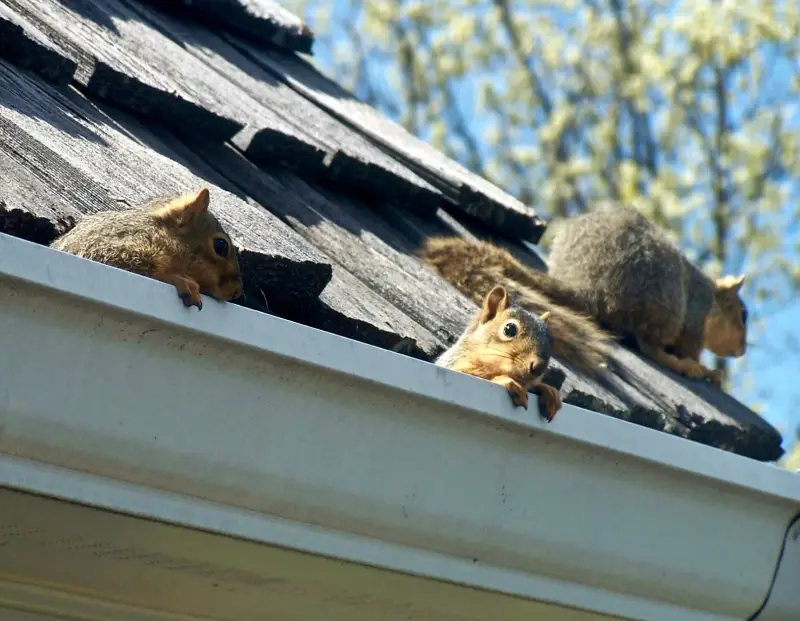
If you're hearing scratching, scurrying, or thumping above your ceiling, especially during the day, squirrels could be the cause. The clearest signs of squirrels in your attic include daytime noises, chewed openings around the roofline, small droppings near nesting areas, and nests made from leaves, twigs, and shredded insulation.
Squirrels don't just make noise. If they stay inside, they chew wiring, damage insulation, and turn a small opening in your soffit into a costly repair. Squirrel removal is important for preventing these problems and protecting your home from further damage.
This guide covers signs of squirrel activity and explains how to tell squirrels apart from other wildlife, what to do if you find them, and when to call a professional.
1. Daytime scratching and scurrying. One of the most common signs of squirrels is noise during daylight hours as they move around the attic or leave and return through an entry point.
2. Rolling or bumping sounds. Squirrels store food and may drag or roll acorns and nuts across the attic floor, creating sounds that seem like something is rolling or dropping overhead.
3. Chewing sounds. Squirrels constantly chew wood, wiring, and other materials. Their front teeth keep growing, so gnawing helps wear them down. This can damage your home and create a potential fire hazard if wiring is affected.
4. Chewed entry points around the roofline. Look for gnawed openings near soffits, fascia boards, roof edges, gable vents, or chimney flashing. Squirrels can enlarge small gaps to get inside your attic.
5. Small, cylindrical droppings. Squirrel droppings are small and cylindrical, with rounded or slightly tapered ends. You may find them near nesting areas or places where squirrels spend time.
6. A visible nest. Squirrels build round nests, called dreys, using leaves, twigs, insulation, and other soft materials. These nests are often tucked into corners or placed near rafters.
7. Tunneling through insulation. If you can safely access the attic, look for torn, flattened, or missing sections of insulation. Squirrels often pull insulation apart to make nests or bedding.
8. A strong ammonia-like odor. Urine and droppings can build up around an active nest. A persistent sharp or stale smell, especially with staining on the ceiling below, can indicate ongoing squirrel activity.
9. Squirrel activity outside your home. Seeing more squirrels around your yard, roof, or bird feeder can be a clue. If you see one disappear through a gap near the eaves, that's an even stronger sign that squirrels are getting inside.
10. Water stains or damage near entry holes. When squirrels create openings in your home's exterior, rain can enter through the same gaps. This can lead to water stains, damp insulation, or soft areas on the ceiling.
11. Greasy marks or rub marks near entry points. Squirrels repeatedly use the same routes to enter and leave an attic. Look for dirt, fur, or dark rub marks around frequently used openings.
If squirrels are inside your walls, you may notice:
Important: Don't seal an opening while a squirrel may still be inside. You could trap the animal in the wall or separate a mother from her young.
The time of day is one of the best clues. Flying squirrels are primarily active at night, so repeated scratching or scurrying after dark can point to their presence.
Look for these signs of squirrels:
Keep in mind: Nighttime attic noises don't automatically mean flying squirrels. Other nocturnal wildlife can produce similar sounds, so look for multiple signs before identifying the animal.
Rabies is rare in squirrels, but unusual behavior should always be taken seriously. Warning signs can include:
A squirrel being active during the day does not by itself mean it has rabies. Sick, injured, or disturbed squirrels can also behave unusually.
If a squirrel appears sick or aggressive, don't approach or handle it. Keep children and pets away and contact local animal control or a wildlife professional for guidance.
Closing the hole while the squirrel is still inside can trap it in the attic or wall. This can lead to a dead animal, bad odors, and an even bigger cleanup problem.
Fresh droppings, new chew marks, and recent daytime noise suggest active squirrel activity. Old, dry droppings and no recent sounds could mean the animal has already left.
If you suspect a nest, don't block the entry point until you're sure no young squirrels are inside. A mother may leave the attic to find food and return to the nest later.
One-way exclusion doors can work when there is a single animal and an easy-to-reach entry point. Multiple openings, squirrels inside walls, or flying squirrels can require a more thorough inspection and removal plan.
Chewed wiring, damaged insulation, and the original entry hole should all be fixed. Otherwise, the same opening can become an easy way for another squirrel or other wildlife to get inside.
Texas has specific rules for live-trapping nuisance squirrels. Under the Texas Administrative Code, the state allows landowners or their agents to live-trap and relocate nuisance squirrels under specific conditions, but local rules and the state's trapping requirements still apply.
The trap must not injure the animal and must display the trapper's name, address, and phone number. The squirrel must be released within 24 hours, and you must have written permission from the property owner where it will be released before transporting the animal.
For Houston-area homeowners, keep these points in mind:
DIY squirrel removal can work when the problem is simple, and you can safely identify the entry point. But if trapping or exclusion doesn't solve the problem, it's time to bring in a professional.
Call a wildlife removal professional if:
A professional can inspect the attic and exterior, identify how the squirrels are getting inside, check for nests or young, remove the animals safely, and recommend repairs or exclusion measures to help prevent another infestation.
If you've tried to handle the problem yourself and still hear scratching, find new damage, or see squirrels entering your home, contact SkeeterCide for help with your wildlife problem and request a free quote.