By
|
August 5, 2026
The most effective pest control methods to prevent pests at home include removing their food, water, and shelter sources, such as blocking entry points. Regular cleaning, moisture control, proper food storage, yard maintenance, and professional inspections can help stop infestations before they become serious problems.
Pest problems are more common than many homeowners realize. According to the National Pest Management Association, over 1.4 million households experience pest issues every year, with cockroaches and rodents.
These pests can contaminate food, damage property, and pose health risks if left untreated. The good news is that most infestations can be reduced or prevented with consistent maintenance, early detection, and effective pest control practices.
The most effective pest control method is to prevent pests by removing the things that attract them. Ants, cockroaches, and rodents enter homes because they find easy access to food, crumbs, and waste. Regular cleaning reduces these attractants and makes your home less appealing to pests.
According to the EPA’s Integrated Pest Management (IPM) approach, prevention starts by removing food, water, and shelter sources before using pest treatments. Maintaining good sanitation does not eliminate every pest risk, but it significantly lowers the chances of an infestation developing.
One of the first things professional pest technicians inspect isn't the pests themselves; it's how they got inside. Sealing entry points prevents recurring infestations better than repeated chemical treatments.
Inside your home, inspect areas such as:
Pest control professionals recommend exclusion methods because stopping pests from entering is easier and more cost-effective than treating a major infestation later.
Moisture problems create the ideal conditions for many pests, including mosquitoes, cockroaches, termites, and silverfish. Reducing excess water around your home can help prevent infestations and limit areas where pests can breed or hide.
The CDC recommends removing standing water around homes because mosquitoes can lay eggs in small amounts of collected water. This increases the risk of mosquito activity and disease transmission. That's why keeping gutters clear, emptying outdoor containers, and improving drainage can significantly reduce mosquito breeding areas.
Many homeowners also choose alternative pest control methods, such as essential oils, biological controls, and physical barriers, to reduce reliance on chemical pesticides.
For indoor pests, controlling humidity is equally important. Using proper ventilation and repairing water leaks can make your home less attractive to moisture-loving insects.
Proper food storage is an important part of preventing household pests. Open packages, exposed food, and improperly sealed containers attract ants, cockroaches, pantry pests, and rodents.
To reduce the risk of pests:
The USDA also emphasizes proper food storage and handling practices to reduce contamination risks. Simple storage habits not only protect your food but also make it much harder for pests to establish themselves indoors.
Natural pest control methods, such as essential oils, food-grade diatomaceous earth, and plant-based repellents, can help reduce pest activity, especially when combined with good prevention practices.
These solutions are effective for minor pest problems and ongoing prevention, but they may not eliminate large or well-established infestations. If pests continue to return, professional treatment is usually the more reliable option.
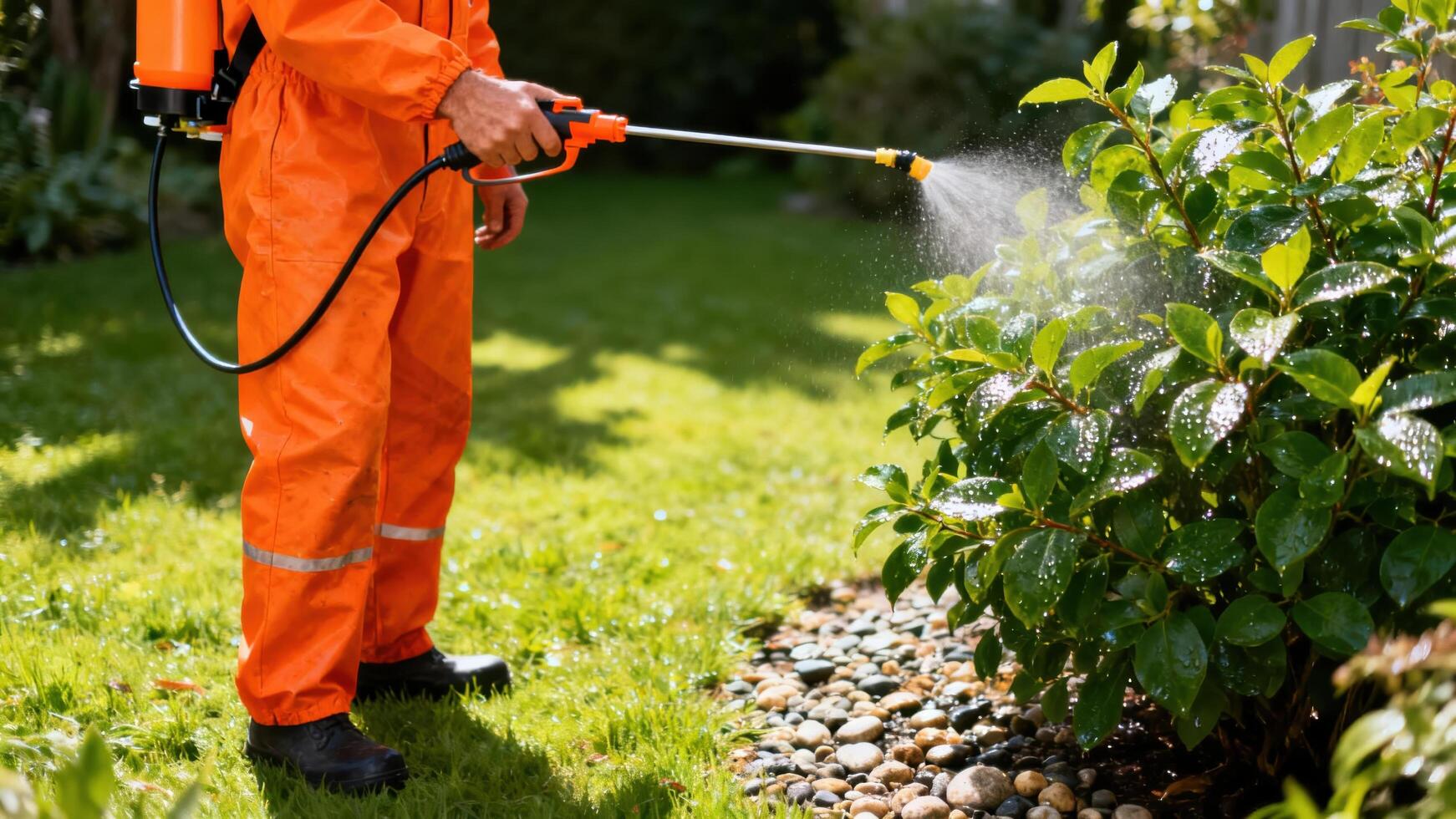
When using any repellent or pesticide, always follow the label directions and choose products that are appropriate for your household. The EPA recommends targeted treatments as part of an Integrated Pest Management (IPM) approach to achieve safe, effective, and long-term pest control.
Your outdoor space plays an important role in preventing pests from entering your home. Overgrown vegetation, standing water, and yard debris can create hiding places and breeding areas for insects and rodents.
To reduce outdoor pest risks:
Outdoor prevention is especially important for mosquitoes and ticks because these pests are strongly influenced by environmental conditions. Regular yard maintenance, combined with indoor prevention methods, helps create a stronger barrier against seasonal pest activity.
Even with good preventive habits, some pest problems develop in hidden areas such as wall voids, attics, crawl spaces, and foundations. Regular pest inspections help identify early signs of activity before they become costly infestations.
A professional inspection can detect:
Pest control professionals also recommend treatment plans based on the type of pest, the severity of the infestation, and your home's environment rather than applying the same solution to every problem. This targeted approach improves long-term results and reduces unnecessary pesticide use.
Keeping your home pest-free requires consistent prevention rather than waiting until an infestation occurs. Simple steps like keeping your home clean, sealing entry points, controlling moisture, storing food properly, and maintaining your yard can go a long way in preventing common household pests.
If pest problems keep coming back or you notice signs of an infestation, it's time to bring in the experts. Contact SkeeterCide for professional pest control services that identify the source of the problem and provide effective, long-lasting protection for your home.