By

John Tallent

|

May 21, 2026

How to Tell the Difference Between Bed Bug and Mosquito Bites

You wake up, notice a few itchy red bumps on your arm, and immediately assume mosquitoes got to you during the night.

That’s usually the first thought most people have. But if those bites appeared after sleeping indoors, there’s a chance mosquitoes aren’t the real cause.

In many cases, clustered or line-shaped bites can actually be due to bed bugs.

The confusing part is that they can look similar at first, but the way they appear and react is often very different. 

One often shows up in tight clusters or lines, usually after sleeping, while the other appears as random, scattered welts after being outdoors or near an open window.

This guide breaks down the symptoms, bite patterns, appearance, causes, and treatment options for both bed bug bites and mosquito bites, so you can quickly tell them apart and deal with them the right way.

What Are Bed Bug Bites?

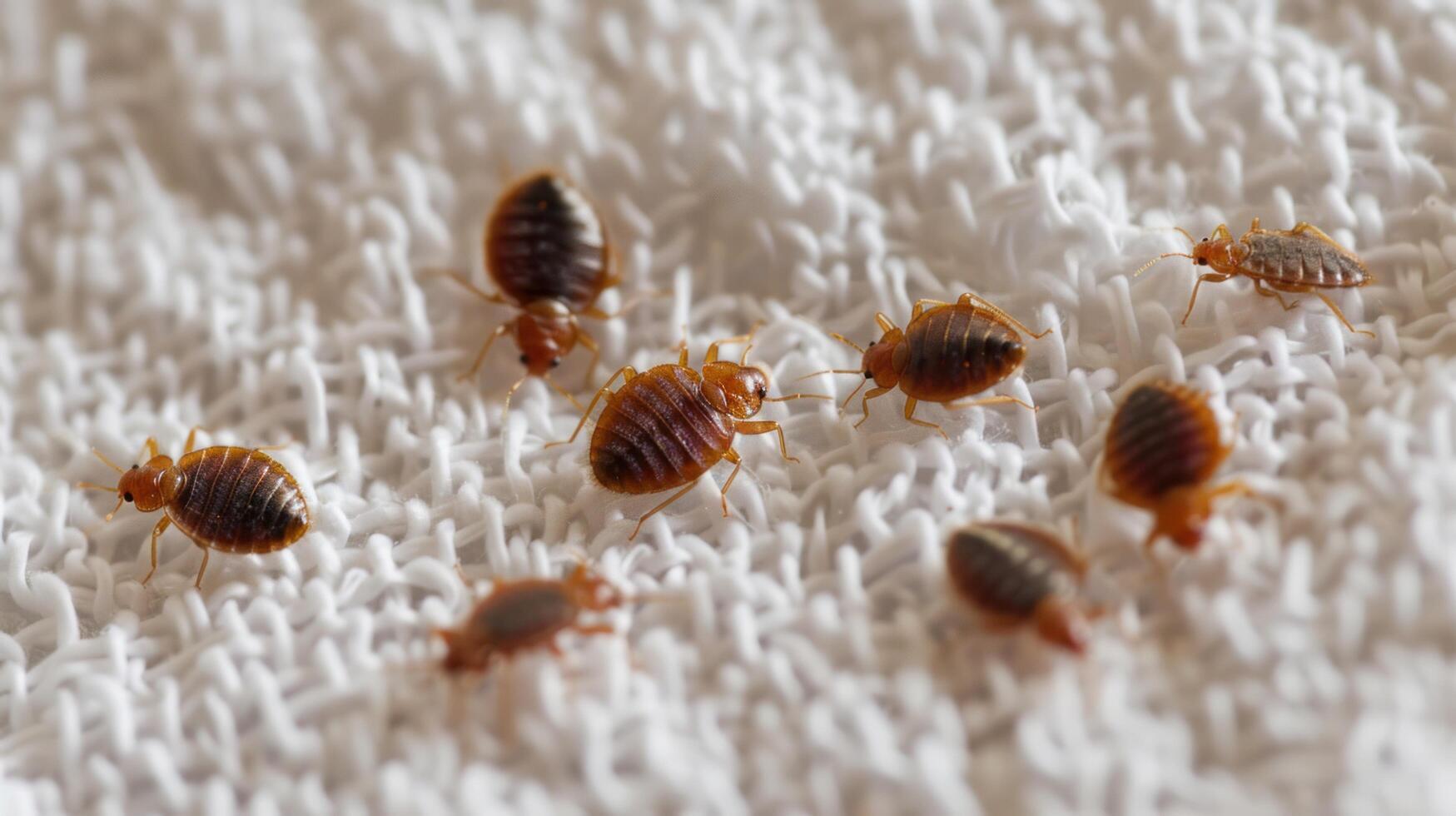
Bed bug bites come from tiny insects that feed on human blood, and usually occur when people are asleep. These bugs hide in mattresses, bed frames, furniture cracks, and even clothing, coming out at night to feed.

The bite itself isn’t felt immediately. Most people notice the reaction hours later or even the next day. The skin reactions vary from person to person; some people barely react, while others develop red, swollen, and intensely itchy bumps.

What makes bed bug bites stand out is their pattern. They often appear in clusters or straight lines, especially on exposed skin, such as arms, legs, neck, and face.

What Are Mosquito Bites?

Mosquito bites happen when a female mosquito feeds on blood to support egg production. Unlike bed bugs, mosquitoes are active and mobile, often biting outdoors or near open spaces, though they can enter homes easily.

The bite is usually immediate in terms of sensation. A quick prick is often followed by itching and a raised bump within minutes.

Mosquito bites are typically random in placement. They don’t follow a clear pattern and can appear anywhere on the body that is exposed.

Bed Bug Bites Vs Mosquito Bites: All You Need to Know

Bed Bug Bites

Appearance

  • Small, red, swollen bumps with a pimple-like center
  • Sometimes develop a darker red spot in the middle
  • Can cause blistering in people with heightened sensitivity
  • May look like a flat welt rather than a raised bump

Pattern

Bed bugs feed multiple times in one session, which creates their signature pattern:

  • Clusters of 3–5 bites grouped closely together
  • Straight lines or zigzag rows along a strip of exposed skin
  • Pest control professionals call this the "breakfast, lunch, dinner" pattern

Location on the Body

Bites appear on skin left uncovered during sleep:

  • Neck, shoulders, and upper arms
  • Hands and forearms
  • Ankles and lower legs
  • Face (in heavy infestations)

Timing

  • You typically won't feel the bite happen as bed bugs inject a mild anesthetic
  • Symptoms may take hours to several days to appear
  • Some people show no reaction at all
  • Itching tends to intensify over time rather than fade quickly

Duration

  • Bites can persist for 1–2 weeks, sometimes longer
  • Itching is often more intense and longer-lasting than mosquito bites

Mosquito Bites

Appearance

  • Round, puffy, raised bumps, often with a visible central puncture mark
  • Start as a white wheel, then turn pink or red within an hour
  • Generally more raised and dome-shaped than bed bug bites

Pattern

  • Single, isolated bites are scattered randomly
  • No specific clustering or linear arrangement
  • Multiple bites may appear, but they come from different mosquitoes — not one insect feeding repeatedly

Location on the Body

Mosquitoes land on exposed, accessible skin:

  • Arms, legs, and ankles
  • Face, neck, and back of the hands
  • Any uncovered area during outdoor activities

Timing

  • The itching begins within minutes of being bitten
  • A visible bump usually forms within 20–30 minutes
  • You often feel the bite as it happens

Duration

  • Most mosquito bites resolve within 1–3 days
  • Mild swelling typically subsides within 24–48 hours

Allergic Reactions & Complications

Bed Bug Bite Reactions:

  • Mild: localized redness, swelling, and itching
  • Moderate: blistering or hive-like welts around the bite
  • Severe (rare): anaphylaxis, throat tightness, difficulty breathing, widespread rash
  • Secondary infections from excessive scratching (impetigo, cellulitis)

Mosquito Bite Reactions:

  • Mild: red bump, immediate itch, fades within days
  • Moderate: "Skeeter Syndrome”, large, swollen, painful welts that mimic infection
  • Severe (rare): anaphylaxis, especially in young children
  • Secondary infections if bites are scratched and left unclean

Seek emergency care immediately if you experience throat swelling, trouble breathing, rapid heartbeat, or dizziness after any insect bite.

Read More: Mosquito Bite vs Spider Bite

Disease Risk: Which Bite Is More Dangerous?

Mosquitoes are significantly ahead in posing a disease threat.

Mosquito-borne diseases include:

  • Malaria
  • Dengue fever
  • Zika virus
  • West Nile virus
  • Chikungunya

Different types of mosquitoes are responsible for nearly 1 million human deaths per year; that’s why they are the deadliest animal on the planet.

Bed bugs are not known to transmit any infectious disease to humans. However, they carry their own serious risks:

  • Chronic sleep deprivation from nighttime anxiety
  • Psychological distress, stress, and insomnia
  • Secondary skin infections from scratching
  • In rare cases, anemia from prolonged heavy infestations

Treatment: Relieving Both Types of Bites

Most bites, from either insect, can be managed at home with the same basic approach.

Immediate steps for any bite:

  • Wash the area with mild soap and cool water
  • Apply a cold compress to reduce swelling and numb the itch
  • Resist scratching, as it worsens inflammation and risks infection

Over-the-counter relief:

  • Hydrocortisone cream (1%) that reduces itching and inflammation
  • Oral antihistamines (cetirizine, diphenhydramine), especially effective for allergic reactions
  • Calamine lotion soothes irritation and dries minor blisters

Natural remedies that work:

  • Aloe vera gel can help reduce inflammation and provide cooling relief
  • Diluted tea tree oil on the biting area for a mild antiseptic
  • Baking soda paste (baking soda + water) can temporarily neutralize the itch

For bed bug bites specifically, symptoms last longer, so consistent treatment over several days is necessary. Antihistamines may need to be taken regularly rather than just once.

When to See a Doctor

Don't wait if you notice:

  • Signs of infection: warmth, increasing redness, swelling, pus, or fever
  • Bites that aren't healing after two weeks
  • A severe allergic reaction (hives spreading beyond the bite site)
  • Symptoms of a mosquito-borne illness: fever, joint pain, fatigue, or headache appearing days after a bite
  • Anaphylaxis symptoms: Call emergency services immediately

Prevention: Stopping Bites Before They Happen

To prevent bed bug bites:

  • Encase mattresses and box springs in bed bug-proof covers
  • Inspect hotel rooms before sleeping (check mattress seams and headboard)
  • Never place luggage on hotel beds. Always use the luggage rack
  • Inspect second-hand furniture before bringing it inside
  • Wash and dry bedding on high heat regularly (130°F+)

To prevent mosquito bites:

  • Apply DEET-based repellents to exposed skin before going outdoors
  • Wear long sleeves and pants at dusk and dawn
  • Eliminate standing water around your home (flower pots, bird baths, gutters)
  • Install or repair window and door screens
  • Use mosquito nets in high-risk areas or during outdoor sleeping

Getting Rid of the Source

Treating the bite is only half the battle. Eliminating the pest is what prevents future ones.

Confirmed bed bug infestation?

  • DIY options (heat treatments, diatomaceous earth) work for minor infestations
  • Professional extermination is strongly recommended for any established infestation
  • Bed bugs can survive 2–12 months without feeding, so follow-up treatments are essential

Mosquito problem at home?

FAQs

Are there other signs of bed bugs besides the bites themselves?

Yes. Small blood stains on sheets, dark fecal spots along mattress seams, shed skins, or a musty smell. These signs are often more reliable than bites alone and usually point toward an active bed bug infestation.

Why do bites feel itchier at night than during the day?

At night, histamine levels rise, and natural anti-itch hormones drop, which makes itching more noticeable. Bed bug bites may also still be developing, which can make discomfort feel stronger during nighttime or early morning hours.

Can you build a tolerance to mosquito or bed bug bites over time?

With mosquito bites, some people become less sensitive over time. Bed bug bites work differently. Skin reactions become worse with repeated exposure, and some people only start showing visible bites after ongoing infestations.

How long does it take for bed bug bites to fully go away?

Mosquito bites usually fade within a few days, but bed bug bites can last up to two weeks or more. If new bites keep appearing while old ones heal slowly, it often signals an ongoing bed bug problem.

Conclusion

Bed bug bites and mosquito bites may seem similar at first, but their symptoms, bite patterns, and causes are often very different. 

While mosquito bites are usually random and temporary, bed bug bites can signal a hidden infestation that may continue spreading if left untreated. 

Paying attention to the appearance, timing, and location of bites can make identification easier and help you take the right next steps.

Whether you’re dealing with mosquitoes in your yard or suspected bed bugs inside your home, professional pest control can make a major difference.

SkeeterCide provides professional mosquito and pest control services to help reduce infestations and create a more comfortable indoor and outdoor environment.


John Tallent is an experienced writer specializing in pest control and integrated pest management. He focuses on practical, science-based solutions for preventing and managing common household and commercial pests.