Mosquito Bite vs Spider Bite: Identification and Prevention Tips
You wake up in the morning, roll up your sleeve, and spot a red, swollen mark on your skin. Was it a mosquito? A spider? Something else entirely? This kind of confusion is incredibly common.
Both bites can look similar at first, and misidentifying them can lead to the wrong treatment or, in serious cases, a delay in getting the medical care you actually need.
Mosquito bites and spider bites are two of the most commonly mistaken skin reactions. Both can cause redness, swelling, and discomfort; they are actually very different in terms of cause, appearance, and potential risk.
In this blog, we will compare mosquito bites and spider bites in detail, discuss their key signs and symptoms, and share simple, effective tips to help you identify them correctly. You’ll also learn how to treat both types of bites at home and prevent them.
Why It’s Important to Identify Bug Bites Correctly
According to global health data, mosquito-borne diseases alone infect hundreds of millions of people every year. For example, malaria causes over 200+ million cases annually worldwide, and dengue affects 100–400 million people each year.
Mosquito bites are harmless on their own, but in some regions they can spread serious illnesses such as malaria, dengue, chikungunya, and Zika virus.
On the other hand, most spider bites are mild, but certain species (like venomous spiders) can cause severe skin reactions, infections, or systemic symptoms if left untreated.
Mosquito Bite vs Spider Bite: A Complete Overview
Mosquito bites happen when a mosquito pierces the skin to feed on blood. While doing so, it injects saliva into the skin, which triggers an allergic reaction and leads to itching, redness, and swelling.
Spider bites, on the other hand, usually occur as a defensive reaction when a spider feels threatened. In some cases, spiders may inject venom, which can cause localized pain and skin irritation.
What Does a Mosquito Bite Look Like?
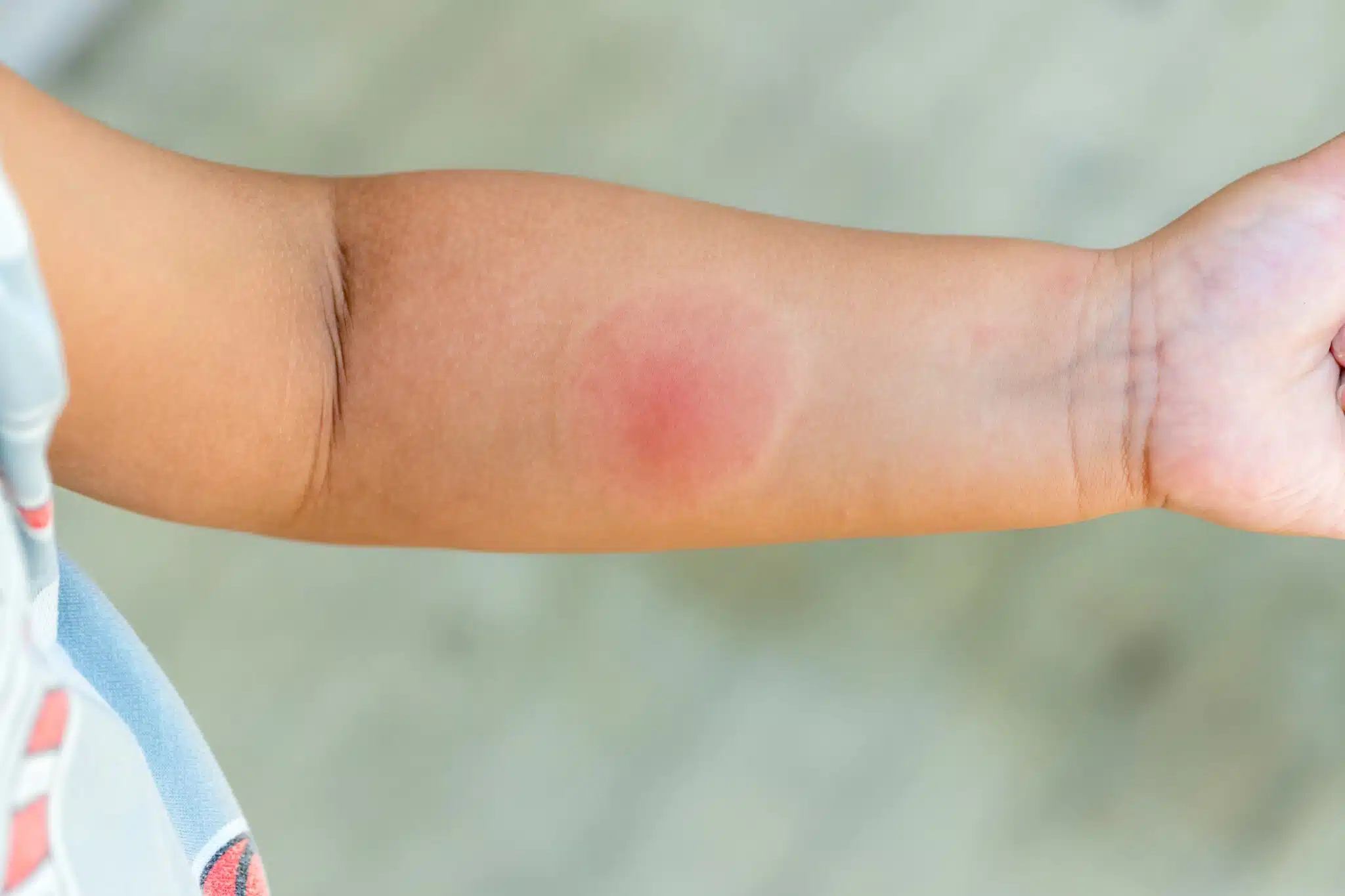
Small red bump on the skin
Slight swelling around the bite area
Round or raised appearance
Very itchy sensation
Often found in groups or multiple spots on exposed skin
What Does a Spider Bite Look Like?
Red or sometimes darker discolored area
Two tiny puncture marks (though not always clearly visible)
Localized swelling and tenderness
Possible blister formation in some cases
Redness or inflammation spreading around the bite
Symptoms of Mosquito Bites
Intense itching
Red, swollen bump
Mild burning sensation
Clustered bite marks
Symptoms of Spider Bites
Pain at the bite site
Redness and swelling
Blister or ulcer formation (in some cases)
Muscle cramps or body discomfort (rare, venomous bites)
Increasing irritation over time
Are Mosquito Bites Dangerous?
In most cases, mosquito bites are mild and harmless, causing only temporary itching, redness, and swelling.
Some people, particularly young children, experience a condition called Skeeter Syndrome, an unusually strong allergic reaction to mosquito saliva.
However, mosquitoes are one of the deadliest insects in the world because they can transmit serious diseases when they feed on human blood.
Mosquito-borne diseases vary depending on the region, climate, and mosquito species. Some of the most well-known include:
Malaria
Caused by Anopheles mosquitoes
Leads to high fever, chills, and fatigue
Can become life-threatening if untreated
Responsible for hundreds of thousands of deaths annually worldwide
Dengue Fever
Spread mainly by Aedes mosquitoes
Causes high fever, severe body pain, and headaches
In some cases, leads to internal bleeding (severe dengue)
Chikungunya
Causes joint pain, swelling, and long-term discomfort
Can last weeks to months in some cases
Zika Virus
Often mild but dangerous for pregnant women
Can cause birth defects in unborn babies
When To Seek Medical Attention After A Mosquito Bite
Fever of 38°C (100.4°F) or higher appearing days after the bite
Severe headache, joint pain, or body aches
Skin rash, especially if widespread
Nausea, vomiting, or persistent fatigue
Any unusual symptoms in children, elderly individuals, or pregnant women
Are Spider Bites Dangerous?
Most spider bites are not dangerous and only cause mild skin irritation. However, a few species can inject venom that affects the skin or body more seriously. The severity depends on the spider type and how your body reacts to the bite.
Black Widow Spider Bite
Severe muscle cramps and pain
Abdominal tightness or spasms
Sweating, nausea, and weakness
Symptoms can spread beyond the bite area
May require medical treatment in serious cases
Brown Recluse Spider Bite
Starts with mild stinging or pain
Redness and blister formation
Skin tissue damage in severe cases
Can develop into an open sore that heals slowly
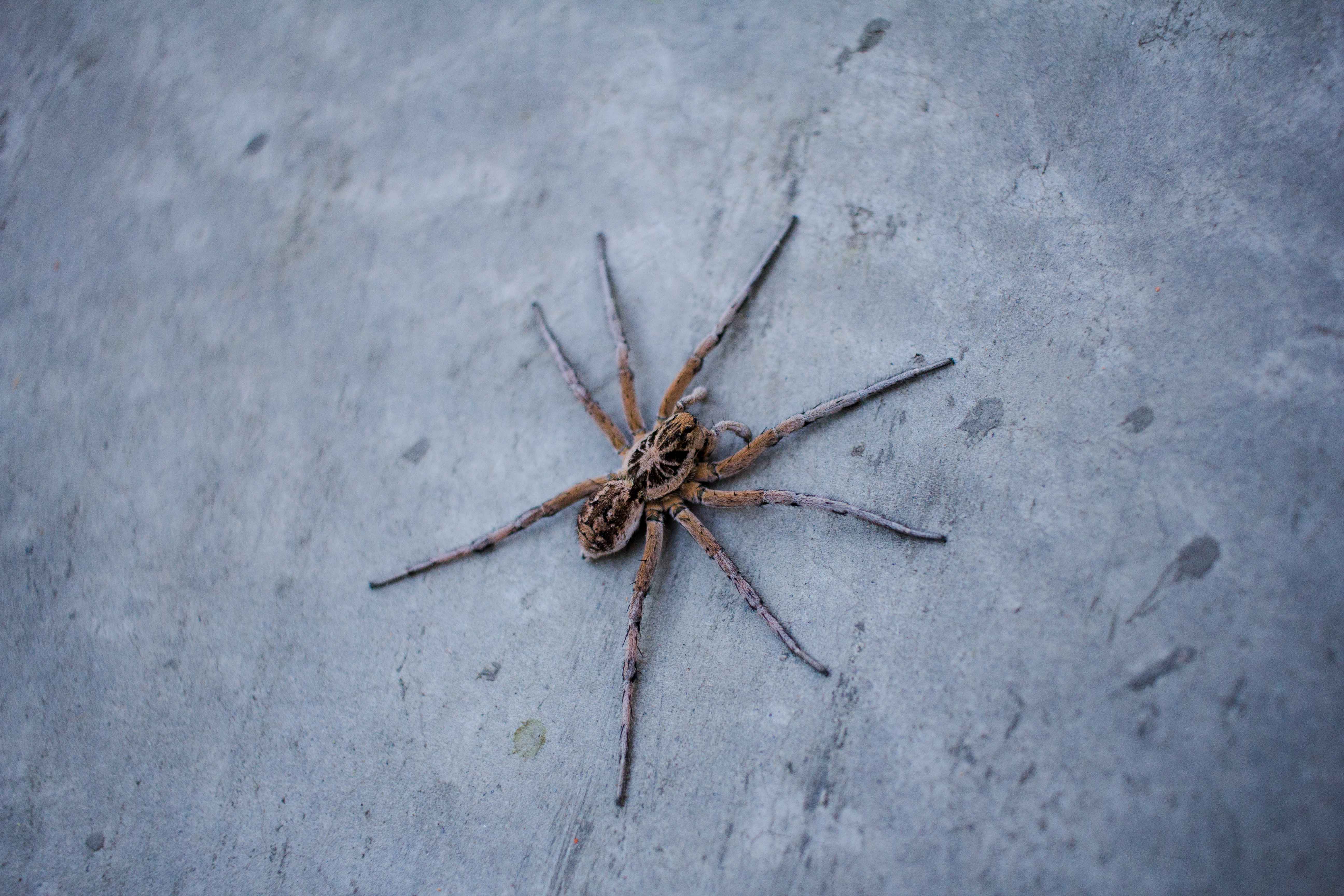
Wolf Spider Bite
Feels like a strong bee sting
Swelling and redness
Mild pain that usually resolves quickly
Common House Spider Bites
Very mild or barely noticeable
Slight redness or itching
Heals on its own without treatment
When Spider Bites Become Serious
You should seek medical help if you notice:
Increasing pain or swelling over time
Skin turning dark or forming an ulcer
Fever or body-wide symptoms
Signs of infection (pus, heat, or spreading redness)
Most spider bites are harmless, but certain species, such as the black widow and brown recluse, can cause significant health issues and should be taken seriously.
How to Treat a Mosquito Bite at Home
Clean the area with mild soap and water to reduce the risk of infection from scratching
Apply a cold compress or ice pack for 10 minutes to reduce swelling and numb the itch
Use an antihistamine cream such as diphenhydramine or a topical corticosteroid like hydrocortisone 1% to control itching
Take an oral antihistamine (like cetirizine or loratadine) if the itch is severe or widespread
Avoid scratching as it breaks the skin and introduces bacteria, which can lead to infection
Calamine lotion can provide soothing relief for multiple bites or widespread irritation
Over-the-counter pain relievers like paracetamol or ibuprofen can help if there is significant discomfort
Most mosquito bites resolve completely within 1 to 3 days with these measures.
See a doctor if:
A bite does not improve after 3 to 4 days or keeps getting worse
You develop signs of infection (increasing warmth, pus, red streaks)
Fever or flu-like symptoms develop
You experience an allergic reaction (hives, facial swelling, difficulty breathing)
How to Treat a Spider Bite at Home
Wash the bite area thoroughly with soap and water
Apply a cold compress or ice pack wrapped in a cloth to reduce swelling and pain. Do not apply ice directly to the skin
Elevate the affected limb if the bite is on an arm or leg, to help reduce swelling
Take over-the-counter pain relief such as ibuprofen or paracetamol for pain
Apply antibiotic ointment to the bite site to prevent secondary infection
Monitor the bite closely over the next 24 to 48 hours for any signs of worsening
Do NOT:
Squeeze or attempt to drain the bite; this can spread bacteria and cause more damage
Cut open the bite; this is not effective and risks infection
Apply tourniquets or attempt to suck out venom; these methods are ineffective and potentially harmful
Seek immediate medical attention if:
You suspect a black widow or brown recluse bite
The bite is worsening rather than improving after 24 hours
A blister forms and ruptures, leaving an open wound
You develop fever, chills, muscle cramps, nausea, or difficulty breathing
The victim is a child, an elderly person, or someone with a compromised immune system
How to Prevent Mosquito Bites
Preventing mosquito bites involves three things: protecting yourself personally, reducing mosquito populations around your home, and being aware of when and where mosquitoes are most active.
Personal protection:
Apply an EPA-approved insect repellent containing DEET (20–30%), picaridin, or oil of lemon eucalyptus to exposed skin and clothing before going outdoors
Wear long-sleeved shirts, long pants, and socks when outdoors during peak mosquito hours (dawn and dusk)
Choose light-colored clothing, as mosquitoes are more attracted to dark colors
Avoid heavily scented perfumes, lotions, or body sprays when spending time outdoors
Use mosquito nets over sleeping areas, especially in high-risk regions
Around the home:
Eliminate all standing water around your property. Empty or regularly refresh birdbaths, flower pot saucers, buckets, clogged gutters, and old tires
Treat permanent water features (ponds, water tanks) with larvicide or introduce mosquito-eating fish
Install or repair window and door screens
Use mosquito sprays, coils, electric vaporizers, or plug-in repellents indoors
Keep grass and vegetation trimmed, as mosquitoes rest in shaded, humid areas during the day
How to Prevent Spider Bites
Unlike mosquitoes, spiders cannot be repelled with sprays or repellents. Prevention is about reducing the chance of an accidental encounter.
Inside the home:
Keep your home clean, organized, and clutter-free, as spiders thrive in undisturbed, messy spaces
Regularly vacuum behind furniture, in corners, under beds, and in storage areas
Seal cracks, gaps, and holes in walls, floors, window frames, and door thresholds
Remove spider webs as soon as you spot them
Reduce insect populations inside your home (spiders follow their food source)
Store items in sealed plastic bins rather than open cardboard boxes
Personal habits:
Shake out shoes, clothing, gloves, and towels before use, especially items that have been stored in garages, basements, or outdoors
Wear gloves when gardening, cleaning storage areas, handling firewood, or working in spaces where spiders are likely to hide
Use a flashlight when reaching into dark corners, under furniture, or behind stored items
Check bedding and clothing left on the floor before use
Outdoors:
Keep firewood and compost piles away from your home's exterior
Trim shrubs, ivy, and vegetation away from the sides of your house
Reduce outdoor lighting that attracts insects (which in turn attract spiders)
Frequently Asked Questions
Can a mosquito bite look like a spider bite?Yes, they look similar at first. Mosquito bites are usually very itchy and appear in groups, while spider bites are more painful and usually single.
How long does a spider bite take to heal?
Most mild spider bites heal in about 3–7 days. However, bites from venomous spiders, particularly the brown recluse, can take significantly longer, sometimes several weeks or months
What is the fastest way to identify a spider bite?
Look for two tiny marks, more pain than itching, and symptoms that slowly get worse instead of better.
Can you get a spider bite while sleeping?
Yes, but it’s rare. Most bites found in the morning are actually from other insects, such as bedbugs, not spiders.
Is DEET safe for children?
Yes, in small amounts (10–30%), it is safe for children over 2 months, when used properly and not on the hands or face.
Conclusion
Mosquito bites and spider bites may look alike at first glance, but they are different in their causes, characteristics, and health implications.
Mosquito bites are itchy, appear in clusters, and carry the risk of transmitting serious diseases in certain regions. Spider bites tend to be more painful than itchy, are usually solitary, and are rarely dangerous, though a small number of species require immediate medical attention.
With the right prevention measures, you can significantly reduce the risk of both. And when in doubt about what bit you, or if symptoms are worsening rather than improving, do not hesitate to consult a healthcare professional or reach out to a pest control expert.
If you are dealing with a recurring mosquito or spider problem around your home, professional pest control experts such as SkeeterCide can assess your property, identify breeding hotspots, and provide targeted treatments that deliver long-lasting protection.
John Tallent is an experienced writer specializing in pest control and integrated pest management. He focuses on practical, science-based solutions for preventing and managing common household and commercial pests.