By
|
May 19, 2026
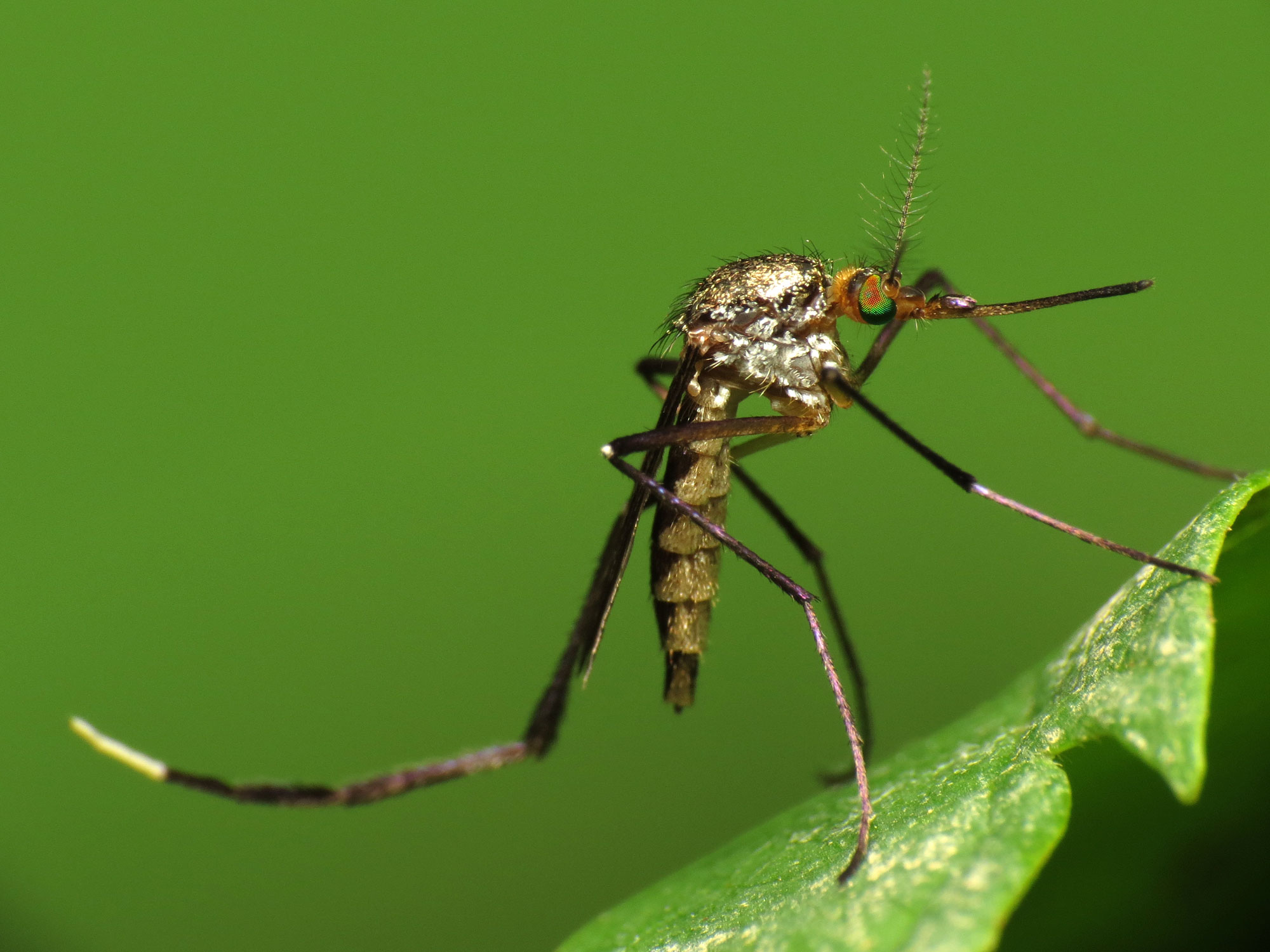
Mosquitoes have a remarkably powerful olfactory system. They can detect carbon dioxide exhaled in your breath up to 164 feet away. Beyond carbon dioxide, they are drawn to body odor, sweat compounds such as lactic acid and ammonia, skin bacteria, and even the natural warmth your body emits. Your unique scent profile is essentially a homing signal for every mosquito in the area.
But just as certain smells attract mosquitoes, there are plenty of scents mosquitoes absolutely cannot stand. These natural repellents interfere with their ability to track and locate a host, making you far less of a target. Understanding what smell do mosquitoes dislike gives you one of the natural ways to protect yourself, your family, and your outdoor spaces from mosquitoes.
Mosquitoes detect odors through specialized receptors on their antennae and mouthparts. These receptors are fine-tuned to pick up on specific chemical compounds, particularly those associated with warm-blooded hosts.
Strong botanical compounds, many of which are found in essential oils and aromatic plants, act as olfactory disruptors. They either overwhelm the mosquito's receptors, mask the human scents they seek, or produce compounds that are genuinely toxic or repellent to the insect's nervous system.
Research published in scientific journals has confirmed that many plant-derived compounds, such as citronellal, linalool, eugenol, and terpenes, directly interfere with mosquito olfactory receptor neurons. In simple terms, these scents confuse or repel the mosquito before it ever gets close enough to land.
There are many natural options available if you are looking for what scents repel mosquitoes. Below are seven of the most well-studied and widely used, along with detailed guidance on how to put them to work.
Citronella is arguably the most recognized mosquito repellent scent in the world. It comes from the leaves and stems of Cymbopogon plants (a type of lemon grass) and has been used commercially in repellent products for over a century.
The active compounds in citronella are primarily citronellal, citronellol, and geraniol. They work by masking the carbon dioxide and lactic acid signals that mosquitoes use to locate humans. A study found that citronella-based formulations provided meaningful protection, particularly when combined with a carrier oil that allows it to linger on the skin.
Keep in mind that the protection offered by citronella candles is somewhat limited in area. They work best in calm, enclosed outdoor spaces rather than wide-open yards with a breeze.
Lavender is loved by people and loathed by mosquitoes. The essential oil produced by lavender plants contains linalool and linalyl acetate, which have shown measurable insect-repelling properties in laboratory and field studies.
A study in the Malaria Journal demonstrated that lavender oil had a repellency rate comparable to some synthetic repellents under controlled conditions. Beyond mosquitoes, lavender also repels moths, fleas, and flies, making it a versatile addition to any natural pest control strategy.
Lavender also has calming properties for humans, making it a pleasant dual-purpose option, especially in children's rooms.
Peppermint is more than a breath freshener. The menthol and pulegone compounds in peppermint oil are highly effective in repelling mosquitoes. Research has shown that peppermint oil not only repels adult mosquitoes but can also kill mosquito larvae, making it one of the most potent plant-based options available.
A study found that peppermint oil applied to skin provided over 150 minutes of complete protection against certain mosquito species.
Be cautious using peppermint oil directly on young children's skin, particularly on their faces, as menthol can cause respiratory irritation in small children.
Lemon eucalyptus oil (also written as OLE — oil of lemon eucalyptus) is one of the very few plant-based repellents formally recommended by the Centers for Disease Control and Prevention (CDC) as an effective protection against mosquitoes, including those that carry West Nile virus and other serious diseases.
The active compound, p-menthane-3,8-diol (PMD), has been shown in multiple studies to provide protection lasting up to 6 hours, rivalling low-concentration DEET products. It works by blocking the olfactory receptors that mosquitoes rely on to locate hosts.
It is important to note that lemon eucalyptus oil (from the Eucalyptus citriodora plant) is distinct from standard eucalyptus essential oil. The CDC recommendation specifically applies to OLE and PMD, not generic eucalyptus oil.
Do not apply OLE or lemon eucalyptus products to children under three years of age. For older children and adults, it is a well-tolerated and highly effective natural alternative.
Clove oil contains an extremely high concentration of eugenol, a phenolic compound that acts as a powerful natural insecticide and repellent. Clove oil has been ranked among the most potent plant-based mosquito repellents available. It provides up to four hours of complete protection against mosquitoes when applied at appropriate concentrations.
Clove oil is quite potent and can cause skin sensitivity if used undiluted. Always patch-test before full application, and keep it away from sensitive areas like the eyes and mucous membranes.
Basil is a kitchen staple with a secret talent. It is a natural mosquito deterrent that requires no preparation or processing at all. Unlike many plants that only repel insects when their oils are extracted, basil releases its repelling compounds directly into the air just by existing. The key chemicals responsible include estragole, linalool, and eugenol.
Basil also attracts beneficial pollinators like bees, so it is a win-win addition to any outdoor garden.
Rosemary is another culinary herb that pulls double duty as a mosquito repellent. Its primary active compounds, camphor, 1,8-cineole, and alpha-pinene, are well-documented irritants to a wide range of insects, including mosquitoes.
A study found that rosemary oil demonstrated significant repellent activity, particularly when formulated as a topical application or used in a burning/smoke format. Rosemary has been burned as a pest-repelling herb in outdoor settings for generations across Mediterranean cultures, and science has since confirmed the tradition has real merit.
Rosemary is hardy, drought-tolerant, and easy to grow, making it a low-maintenance but highly effective addition to a mosquito-resistant garden.
Using natural scents and repellent plants can be a genuinely effective strategy, but it comes with important limitations. In spaces where mosquito pressure is naturally low, such as indoor rooms with good screens, small patios in cooler climates, or areas without nearby standing water, scent-based repellents can be more than sufficient to keep you comfortable and protected.
However, if you are dealing with a property that already has a significant mosquito population, particularly a yard with dense vegetation, water features, poor drainage, or proximity to ponds and wooded areas, relying on candles and essential oils alone is not going to solve the problem. You might notice a modest reduction in activity, but the underlying conditions that cause larvae breeding and sustain large numbers of mosquitoes will remain unchanged.
This is the point at which professional mosquito control services become not just helpful, but necessary. Pest control professionals use targeted treatments, such as barrier sprays, larvicides, fogging, habitat modification recommendations, and ongoing monitoring programs, to address mosquito problems at the source.
If you are experiencing heavy mosquito pressure in your outdoor spaces, contact a licensed pest control company in your area. They offer seasonal treatment plans that provide long-term protection throughout the peak mosquito months, so you can enjoy your yard without being driven indoors.
Knowing what smells mosquitoes dislike gives you a natural, accessible, and well-supported set of tools to reduce mosquito activity around your home. Scents like citronella, lavender, peppermint, lemon eucalyptus, clove, basil, and rosemary all contain active compounds that disrupt mosquito behavior.
But natural scents have their limits. When mosquito populations are large and entrenched in your yard or interior, the only truly effective solution is professional residential pest control. Do not let a summer of miserable evenings pass by when expert help is available.