By
|
May 08, 2026
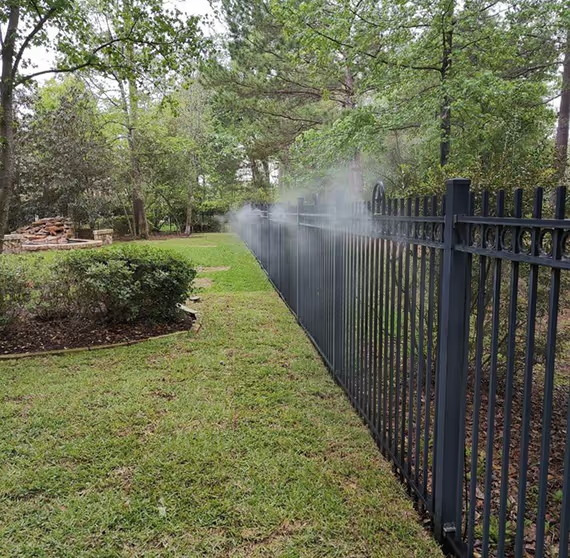
Mosquito spray is not always safe for dogs, especially if it contains strong chemicals such as DEET or permethrin. Dogs and pets can get exposed by touching treated areas, inhaling spray, or licking surfaces, which may lead to health problems if the product is not used properly.
The ASPCA reports that household insecticides are one of the common causes of pet poisoning cases each year. This shows how easily pets can be affected by everyday pest control products.
That doesn’t mean all mosquito yard sprays are dangerous. Some can be safer when they are fully dried and used the right way. The key is knowing what’s inside the spray and how to use it around your dog safely.
Dogs can come into contact with mosquito sprays in several ways, increasing the risk of toxicity and dog insecticide poisoning.
Mosquito sprays are products that kill or repel mosquitoes in homes, yards, and outdoor spaces. They are commonly used during warm seasons when mosquito activity is high.
These sprays target the nervous system of insects or create a repellent barrier that keeps them away. While they are effective for pest control, the ingredients inside them can affect pets, especially dogs, if not used carefully.
DEET is one of the most common ingredients in mosquito repellents. It is effective for keeping insects away, but it is not designed for frequent contact with pets.
In dogs, DEET exposure, especially if they lick treated surfaces or get it on their skin, can lead to side effects such as:
Because dogs often groom themselves by licking, even small amounts can become a concern.
Permethrin and Pyrethroids are used in mosquito yard treatments and fogging methods. These chemicals target insect nervous systems.
Dogs are more resistant to these chemicals than cats, but they are not completely safe. High or direct exposure can still cause:
Risk usually increases when dogs are exposed before the spray dries or enter treated areas too soon.
Many “natural” mosquito sprays use essential oils as an alternative to chemicals. Common ones include citronella, eucalyptus, peppermint, and tea tree oil. While these are often labeled as pet-friendly, they are not always completely safe for dogs.
Some essential oils can cause:
The risk depends on the type of oil, concentration, and how it is used. Even natural products should be used carefully around pets.
Not all mosquito spray ingredients affect dogs in the same way. Some are less harmful in small amounts, and some can be toxic even with short exposure. It mainly depends on the chemical type, strength, and how the dog comes into contact with it.
For example, strong insecticides like Permethrin and Pyrethroids can be dangerous if a dog is exposed before the spray dries or licks treated surfaces.
On the other hand, natural ingredients like essential oils may seem safer, but they can still cause irritation or mild poisoning if used in high amounts.
No mosquito spray is 100% risk-free for dogs. The level of danger depends on exposure and product strength.
If a dog is exposed to toxic mosquito spray, symptoms can appear within minutes to a few hours.
Contact a vet immediately if your dog shows above mention symptoms after possible exposure. Early treatment can prevent serious complications.
If you think your dog has come into contact with mosquito spray, act quickly:
Read More: When is the Best Time to Spray for Mosquitoes Sprays
A few simple steps can help you keep your dog safe during pest control sprays.
Professional pest control services often use targeted treatments and controlled dosages, which can reduce the risk of overexposure to mosquitoes. They also know how to treat areas safely around pets.
DIY sprays, on the other hand, are easier and cheaper but can be risky if overused or applied incorrectly. Many pet exposure cases happen due to improper DIY application.
Can I spray mosquito repellent on my dog?
Only use mosquito repellents made specifically for dogs. Human mosquito sprays often contain chemicals that can be toxic or irritating. That’s why you should check the label and consult a vet before applying any repellent to your pet.
How to protect your dog from mosquito bites naturally?
You can protect your dog by keeping the yard clean, removing standing water, and using mosquito nets. Walk your dog during low mosquito activity times, like early morning or daytime, to reduce bite risk.
Are natural mosquito sprays safer for dogs?
Natural mosquito sprays are generally safer than chemical ones, but not always risk-free. Some essential oils can still irritate or harm dogs if used in high amounts or incorrect formulations.
How long after mosquito spray can dogs go outside?
Dogs should only go outside after the mosquito spray has completely dried and the area is well ventilated. This usually takes a few hours, but always follow the product label instructions for safety.
What is the safest mosquito control for dogs?
The safest mosquito control includes pet-safe repellents, removing standing water, and maintaining a clean yard. These methods reduce mosquitoes naturally without exposing dogs to harmful chemicals or toxic ingredients.
Mosquito spray can help control pests, but it is not always completely safe for dogs. Many common ingredients, such as DEET or permethrin, can cause health problems if your dog is exposed to them too early, too often, or in high amounts.
Even natural sprays are not fully risk-free, so careful use is always important. The safest approach is to understand what’s inside the product, follow proper usage steps, and keep your dog away during and after spraying until everything is fully dry.
Protecting your dog is about the balance of controlling mosquitoes and making sure your pet stays safe, healthy, and comfortable.