By
|
May 06, 2026
One warm evening outdoors can quickly turn miserable when mosquitoes take over as they start biting. Mosquitoes are responsible for spreading diseases that affect hundreds of millions of people globally every year.
According to the World Health Organization, there are an estimated 249 million malaria cases annually worldwide. It shows how serious mosquito control can be.
Because of this risk, effective mosquito control is not just a seasonal concern but an important part of maintaining safe outdoor spaces around homes and properties.
Many homeowners rely on chemical-based solutions to manage infestations, but not all methods work the same way.
In this blog, we will compare the misting vs fogging methods that you choose the best solution for your yard control. Both are widely used mosquito control techniques, yet they differ significantly in how they work, how long they last, and the results they deliver.
Mosquito misting is a long-term mosquito control method that keeps mosquito activity low around your home.
Instead of treating the area once, it works continuously by releasing small amounts of insecticide at regular intervals.
It’s commonly used in residential spaces, such as backyards, gardens, and patios, where people spend a lot of time outdoors.
A misting system is usually installed around the perimeter of your property and areas such as fences, roof edges, or landscaping. It includes a network of small nozzles connected to a tank that holds the insecticide.
At scheduled times, the system releases a fine mist into the air. This mist settles on plants and surfaces where mosquitoes tend to rest. Over time, this helps reduce both active mosquitoes and future breeding.
Some systems are automatic and run on timers, and some are turned on manually when needed.
Pros:
Cons:
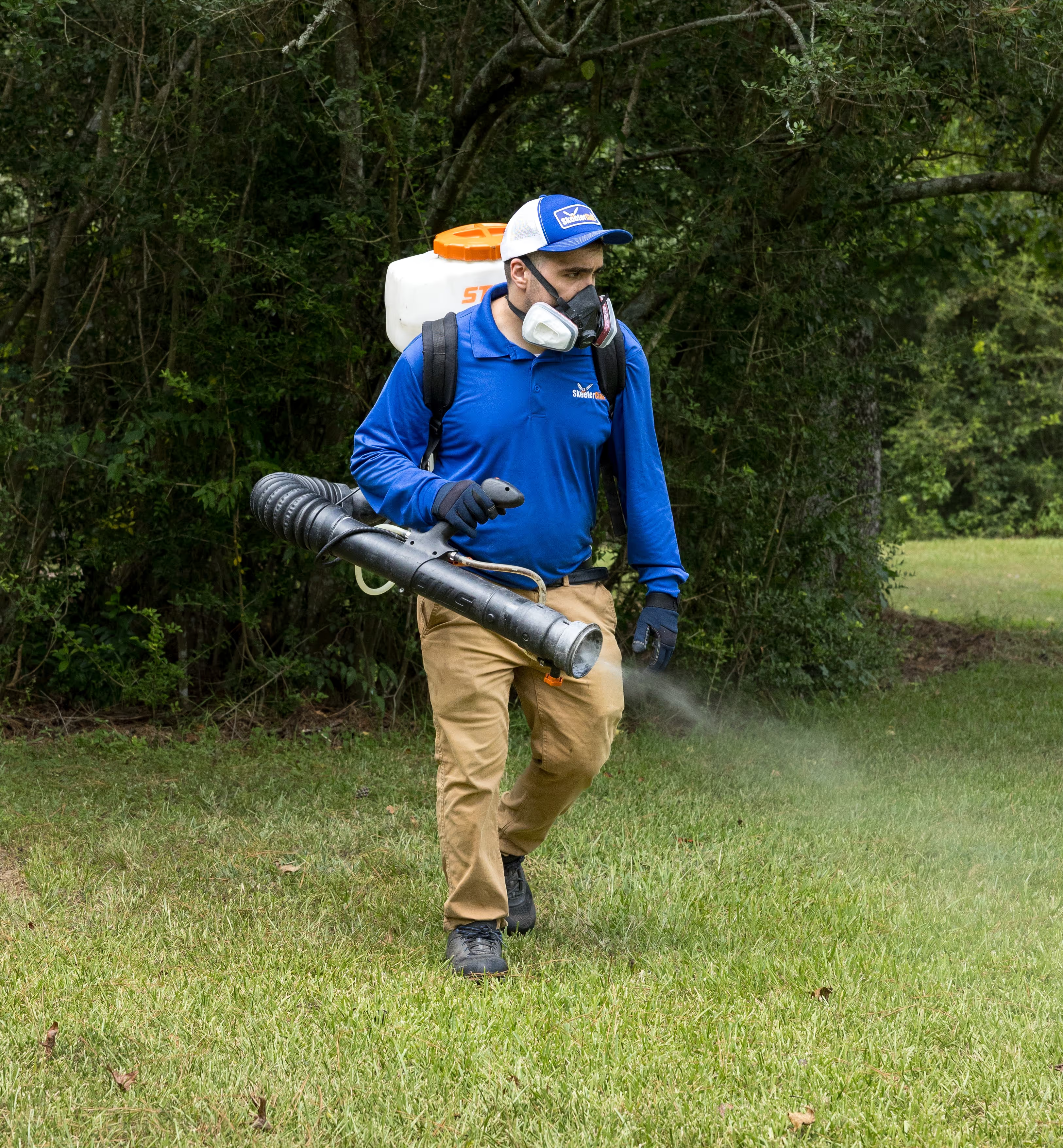
Mosquito fogging is a quick and effective way to reduce mosquito numbers in a short time. It involves spraying a fine fog of insecticide into the air to kill mosquitoes on contact.
This method is used when there is a sudden increase in mosquito activity or before outdoor events.
Fogging machines turn liquid insecticide into a fine mist or smoke-like fog. This fog is released into the air and spreads across the area.
When mosquitoes come into contact with it, they are killed almost instantly. The process is usually done manually using portable or vehicle-mounted equipment.
However, the fog does not stay in the area for long, which means its effects are temporary.
Pros:
Cons:
The better method depends on your situation, your space, and how quickly you want results. Both misting and fogging are effective, but in different ways.
If you need quick results, fogging is the better option. It works almost instantly by killing mosquitoes on contact. This makes it ideal for situations such as outdoor events, gatherings, or when mosquito activity suddenly increases.
However, the results don’t last long, so it’s more of a temporary fix than a long-term solution.
For ongoing protection, misting works better. It releases insecticide at regular intervals, which helps reduce mosquito populations over time.
Instead of just killing active mosquitoes, it also targets the areas where they rest and breed. This makes misting more effective for keeping mosquito numbers low.
Misting systems are usually the better choice for mosquito control in small yards. Once installed, they provide regular coverage without the need for manual effort.
They also focus on specific areas like plants, fences, and shaded spots where mosquitoes are most likely to hide.
For large spaces, both methods can be useful depending on the goal. Fogging works well if you need fast coverage across a wide area.
But for long-term control in larger properties, misting systems offer more consistent results, especially when installed strategically around key areas.
If you want a deeper breakdown of expenses, you can also explore our detailed guide on the cost of mosquito control methods to understand which option fits your budget best.
Choosing between misting and fogging depends on your situation, budget, and how you want to deal with mosquitoes in the long run. Both methods work, but they solve different types of problems.
If you are dealing with a sudden mosquito outbreak or planning an outdoor event, fogging is usually the better choice. It gives quick relief by killing mosquitoes almost immediately. However, it does not provide long-term protection, so mosquitoes can return quickly.
On the other hand, if mosquitoes are a regular problem around your home, misting is a more practical solution. It works continuously and helps reduce mosquito populations over time, especially in gardens, lawns, and shaded outdoor areas.
Is misting more effective than fogging?
Misting is more effective for long-term control because it continuously reduces mosquito populations around your property. Fogging works faster, but its effects are temporary, and mosquitoes often return soon after treatment.
How often should misting systems be used?
Misting systems usually run automatically several times a week or daily, depending on settings and mosquito levels. This consistent schedule helps maintain long-term mosquito control around your home or outdoor space.
Is mosquito misting safe for pets and children?
Yes, misting is generally safe when properly installed and using approved insecticides. However, it is best to avoid direct exposure during spraying cycles to ensure maximum safety for pets and children.
Can fogging and misting be used together?
Yes, both methods can be combined effectively. Fogging provides immediate mosquito reduction, and misting offers long-term prevention for better and more consistent mosquito control results.
Controlling mosquitoes isn’t about choosing a “perfect” method, but about choosing what fits your needs best. Both misting and fogging can be effective when used in the right situation, but they are built for very different purposes.
What really matters is consistency and proper use. Even the best method won’t work well if mosquito breeding areas, such as standing water and overgrown plants, are not managed.
Hence, fogging is a quick solution, and misting is a long-term strategy. When used correctly, either one can make your outdoor spaces more comfortable and enjoyable.